


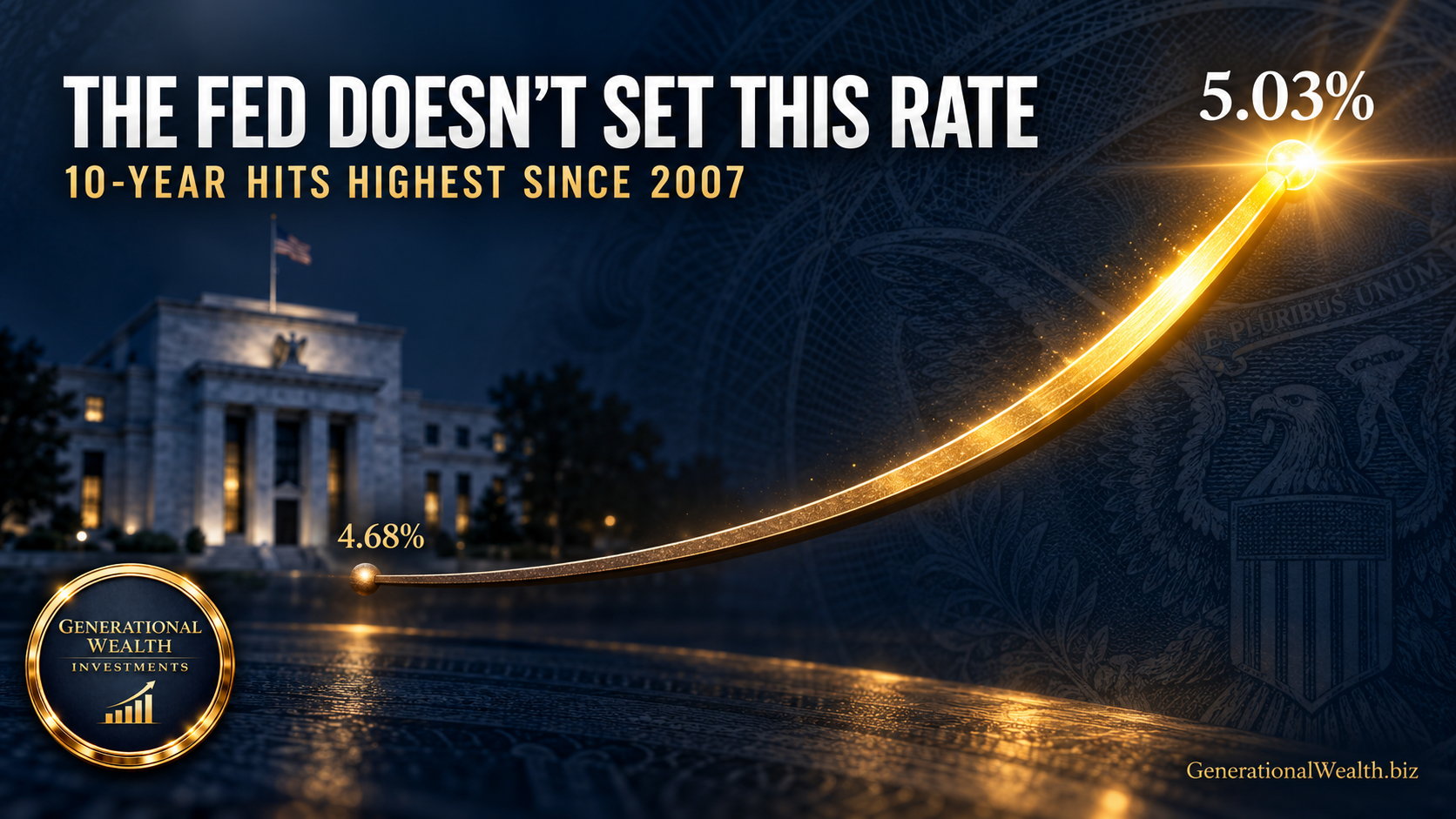
The 10-Year Just Hit 5.03% — And the Fed Doesn't Control That Number
The 10-year Treasury yield hit 5.03% overnight, its highest level since 2007 — and the 2-year barely moved. That gap is the whole story. Here's why an oil-driven inflation shock, not Fed policy, is repricing the long end of the curve, what it means for a 6.76% mortgage, and the 3 things in Wednesday's dot plot that decide whether this is one hike or the start of a cycle.
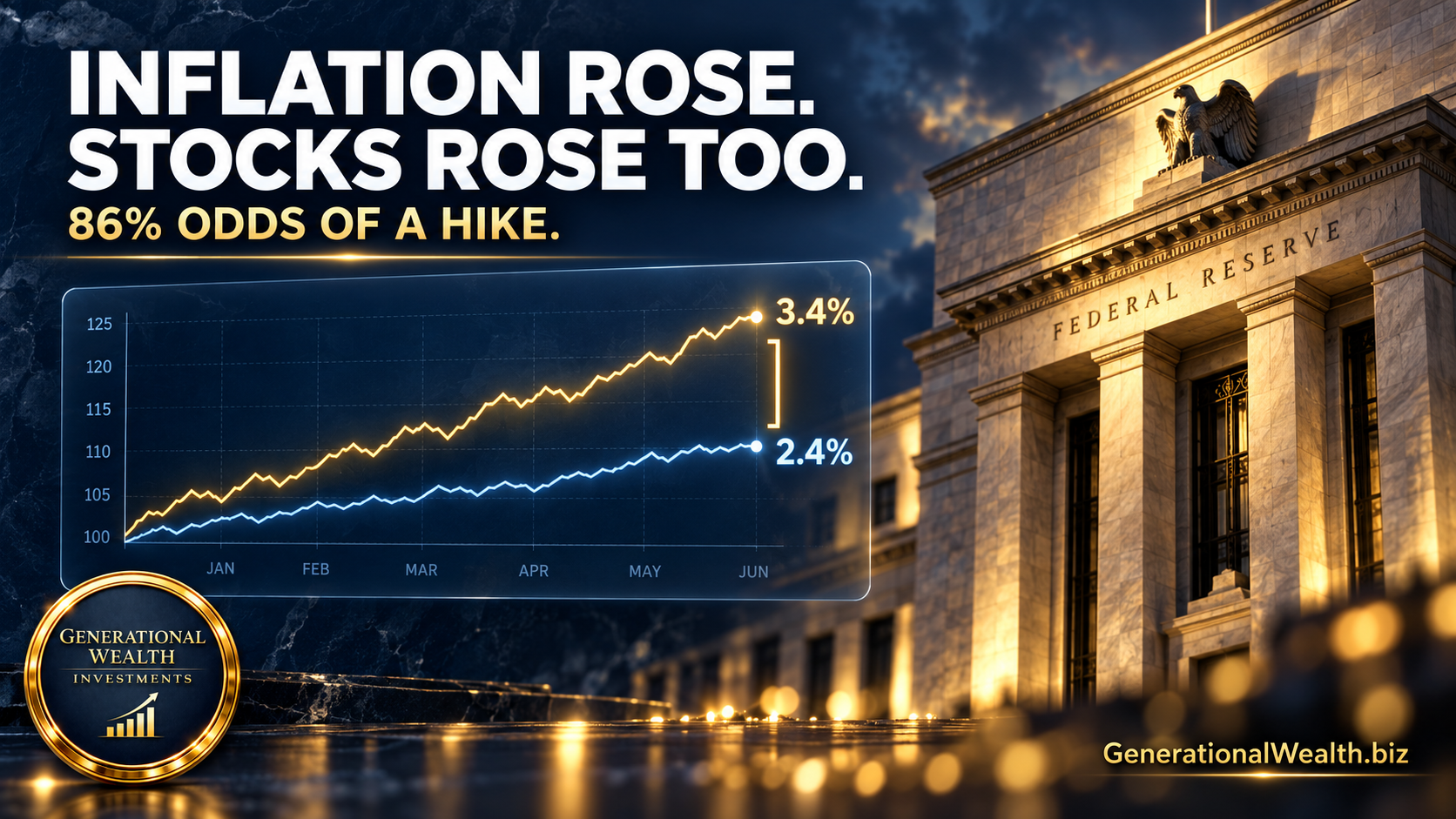
Inflation Accelerated, Rate-Hike Odds Hit 86%, and Stocks Rallied Anyway — Here's What Friday Actually Told Us
Consumer prices accelerated in August. Gasoline jumped 3.9%. Odds of a Federal Reserve rate hike surged toward 90%. And the S&P 500 closed up 0.9% anyway. That looks like a contradiction until you look at the 1-point gap between headline and core inflation — a gap that explains why markets treated this print as a supply shock rather than a demand problem. Here's the full mechanism, the three ways Wednesday's Fed decision can break, and the specific signals that would prove this read wrong.

Oil Broke $100 and Stocks Barely Blinked — Because the Bond Market Already Paid the Bill
Brent crude pushed past $100 a barrel Wednesday for the first time since July 24 — and S&P 500 futures barely moved. That gap isn't complacency. With the 10-year Treasury near 4.80% and futures pricing roughly 60% odds the Fed raises rates next week, the oil shock has already been absorbed through the rates channel instead of the equity channel. Thursday's PPI print is the sharper test of whether it leaks into everything else.

Brent Crude Falls 6% in 2 Sessions: Why the Hormuz Rally Is a Shipping Trade, Not a Fed Trade
Brent crude has fallen more than 6% in two sessions, Treasury yields dropped, and stocks closed green — but nothing about Fed policy changed. Every one of those moves traces back to a single waterway. Here's the mechanism connecting the Strait of Hormuz to the 10-year yield, the PCE trap waiting this morning, and the 4 data points that will confirm or break this rally.
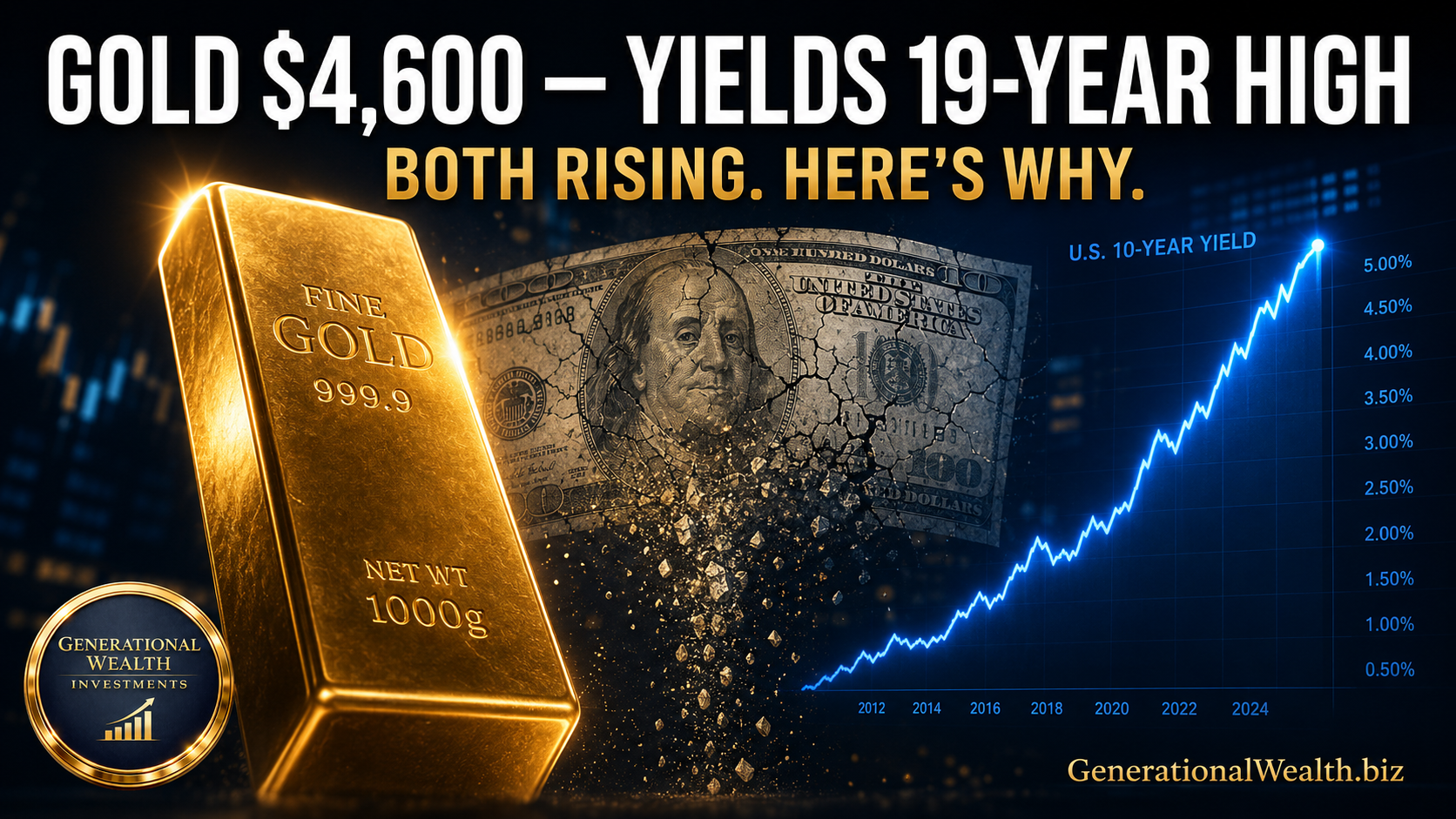
Gold Tops $4,600 While Treasury Yields Sit Near 19-Year Highs — Here's What That Contradiction Is Really Telling Us
Gold pushed above $4,600 this week while the 30-year Treasury yield stayed pinned near 5.25% — a combination that isn't supposed to happen. High yields normally punish a non-yielding metal. But with the dollar near multi-month lows, the Treasury doubling long-dated buybacks to $4 billion per operation, and Bitcoin up more than 21% on the week, the market may be pricing something other than interest rates. Here's the mechanism underneath the move, why falling oil is the data point that decodes it, and what Wednesday's July PCE print actually changes.
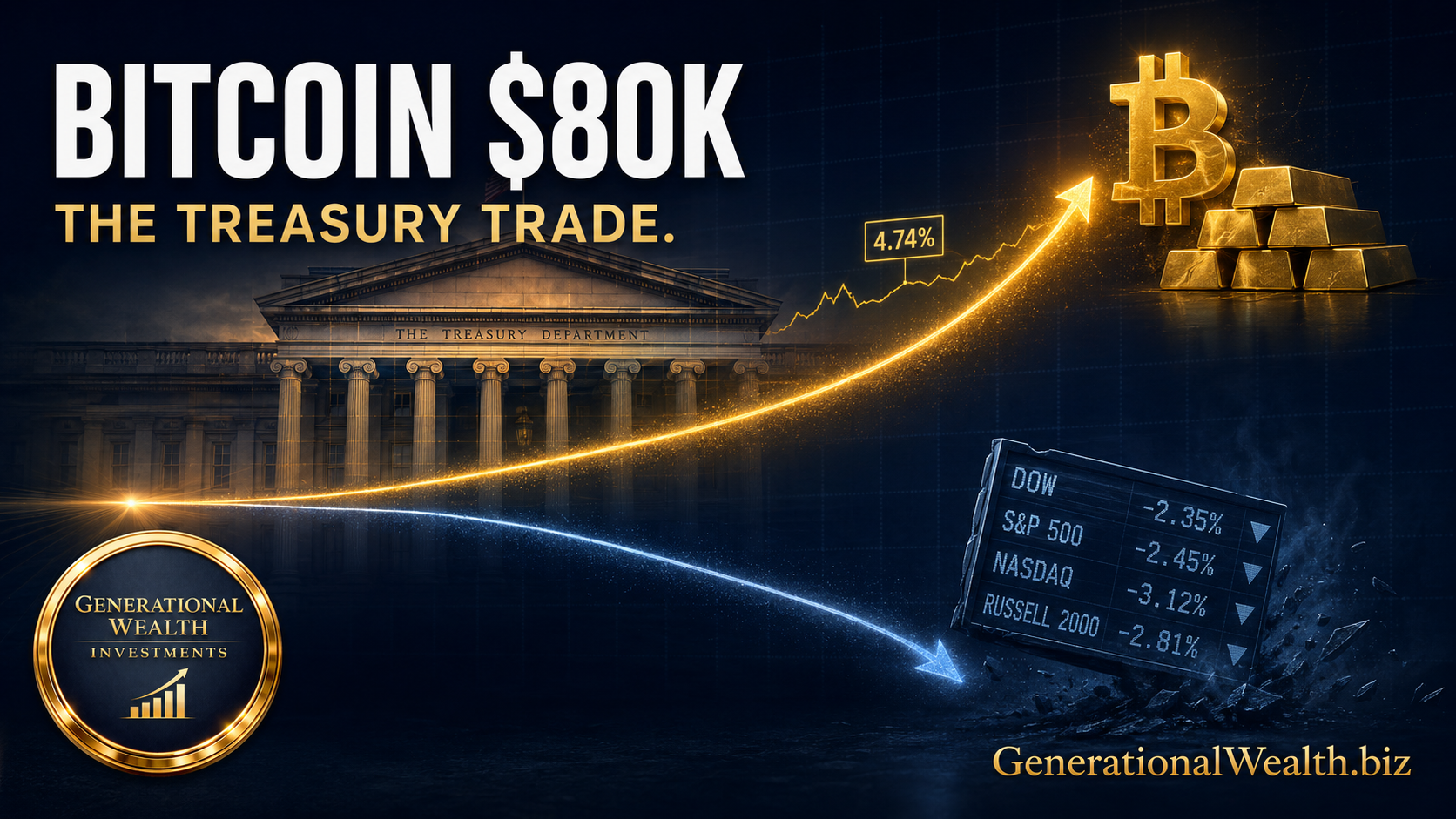
Bitcoin Hits $80,000 on a Treasury Decision — And the Bond Market Is Already Disagreeing
Bitcoin posted its biggest weekly gain in over 2 years, closing near $77,000 after touching almost $80,000. Gold settled above $4,600 an ounce. And the S&P 500 finished the week down 1.5%. The catalyst wasn't crypto news — it was a U.S. Treasury buyback announcement, and the way different assets read it reveals what investors actually believe about fiscal credibility. Here's the mechanism underneath the move, and the one data point that says the whole trade may be built on a premise the bond market has already rejected.

Walmart Beat Earnings and Fell 9%: The Consumer Just Sent Wall Street a Warning
Walmart delivered an earnings beat and a guidance raise, then suffered its worst day in years. The problem wasn't profit — it was the shopper. U.S. comparable sales grew just 2.6% against expectations of 3.7%, the slowest pace since 2020, with the company pointing directly at high gas prices. With Brent crude near $94 on Iran sanctions rhetoric and Treasury yields climbing despite a surprise buyback plan, one retailer just told the market exactly where the American consumer stands.
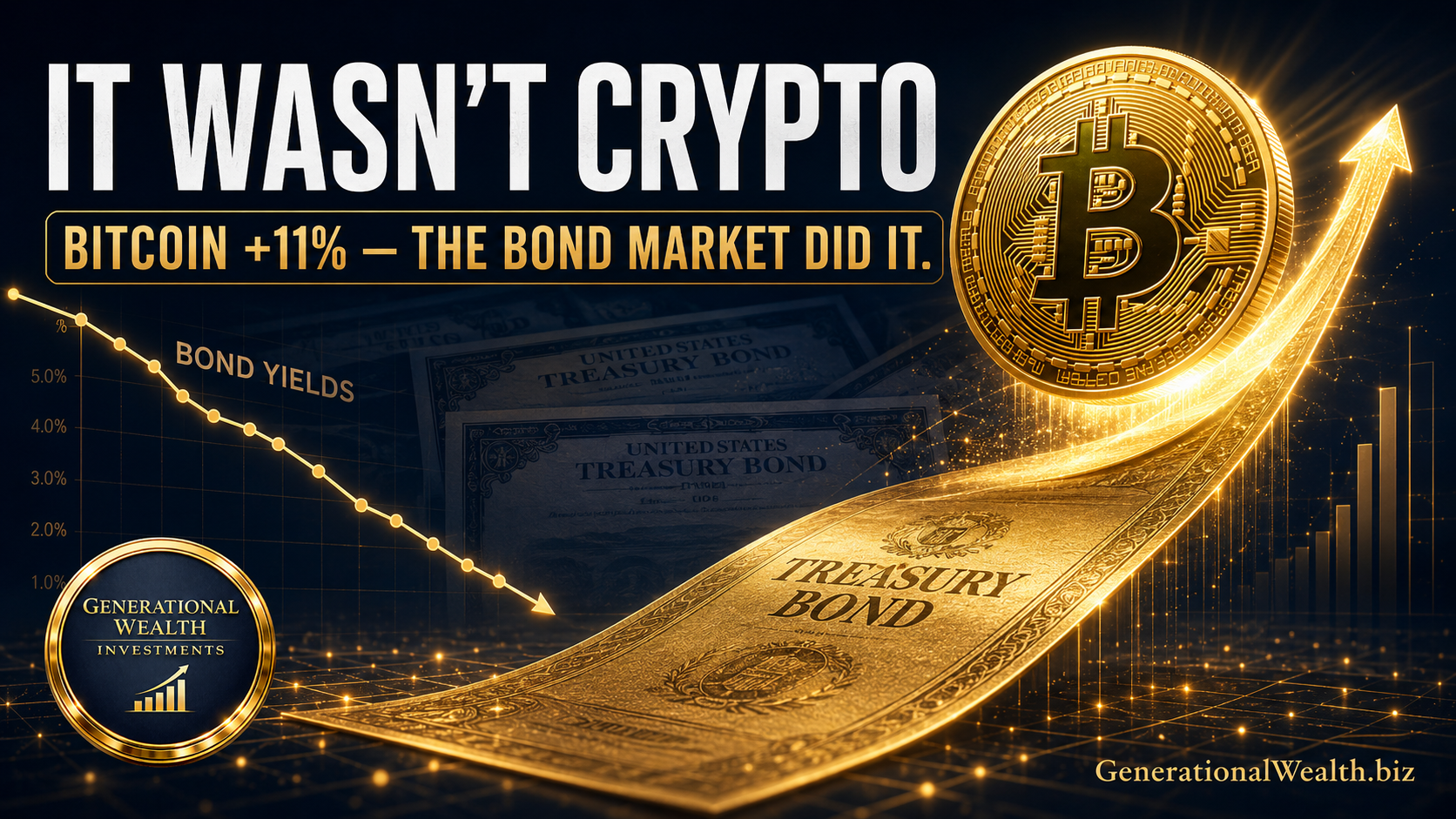
Bitcoin's Biggest Day Since March Was a Bond Market Trade — Not a Crypto One
Bitcoin posted its biggest day since March, climbing roughly 11% to near $71,800 — but the catalyst wasn't crypto news. It was a Treasury Department announcement doubling long-term bond buybacks, which pulled the 30-year yield down to 5.2% and triggered a record $1 billion short squeeze. Ethereum ran even harder, up 19%. Here's the mechanism behind the move, why Fed minutes and $94 oil complicate the story, and the single earnings report that resolves it.

Gold Pushes Above $4,400 While the Fed Debates a Rate Hike — Here's Why That Isn't a Contradiction
Gold pushed back above $4,400 an ounce this morning while the Federal Reserve openly debates another rate hike — a combination the textbook says shouldn't happen. The answer isn't a Fed pivot. It's a supply-driven inflation shock the Fed's tools can't fix, with the Strait of Hormuz still closed and Brent near $89. Here's why gold is catching the hedge bid, why Bitcoin near $63,000 isn't, and what Wednesday's July minutes could reprice.

Oil Inventories Jump 17.4 Million Barrels — and the Fed's Next Move Might Be a Hike
U.S. crude inventories posted their biggest weekly build in 3.5 years — 17.4 million barrels against forecasts calling for a drawdown — and oil still closed higher. The reason is a shipping constraint, not a demand collapse, and it runs straight through energy inflation to a Fed that may be closer to hiking than cutting.