



Jobless Claims Near 57-Year Low: Why Low Layoffs Keep Rates High
Layoff headlines are everywhere, yet U.S. jobless claims just fell to 194,000, near a 57-year low. The catch: hiring is stalled, and a job market that isn't firing gives the Fed room to keep fighting inflation. Here's what that means for your mortgage, your credit card, and your business loan, and what to watch when the Fed decides on October 28.

Meta's $64.6 Billion Quarter Hides the Real Story: The AI Race Just Started Costing More Than It Earns
Meta just posted a 26% revenue surge to $64.6 billion, yet the number that matters most went the other way. Free cash flow turned negative as AI spending outran the ad business for the first time this cycle. The Q4 math suggests the bill is about to get even bigger. So how long will investors keep paying?

SpaceX Now Makes More Money From AI Than From Rockets and Starlink Combined
SpaceX’s AI business just outearned its rockets and Starlink combined, bringing in $7.6 billion of a $14.6 billion quarter. But the AI buildout is costing almost $20 billion a quarter, and Elon Musk has now put a Tesla-SpaceX merger on the table. Here’s what the numbers really say, three scenarios for what comes next, and why Tesla’s earnings tonight could be the next big signal.

Nvidia Has $35 Billion in China Orders. It May Only Fill 10%.
China’s biggest tech companies have reportedly ordered more than 3 million Nvidia RTX PRO 5500 chips, about $35 billion in demand. Nvidia may deliver only a fraction of that. Here’s why export rules, manufacturing capacity, and product priorities stand between the headline and the revenue line, and which signals could change the story in 2027.

Oil Falls Below $100 Despite Major Supply Risks: Why Traders Are Betting on Policy Over Panic
Gulf crude exports collapsed to about 8.5 million barrels a day, yet oil fell anyway, with WTI slipping below $100 and Brent sliding near $108. The reason has less to do with tankers and more to do with Washington. Here's how the Russia sanctions waiver reshaped the oil trade, and the 1 price level that decides where inflation goes next.
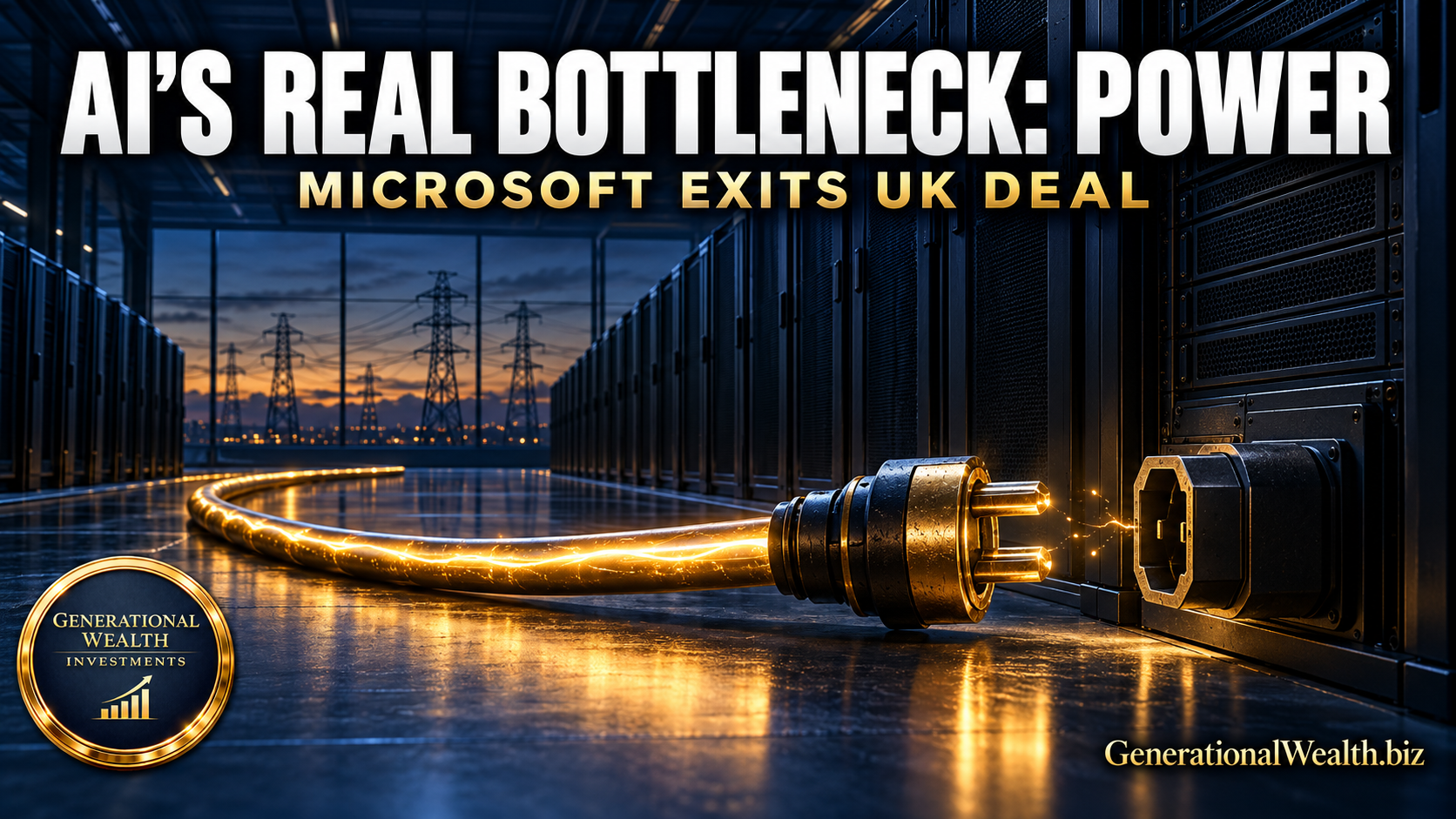
Microsoft Walks Away From a UK AI Data Center — and the Problem Isn’t Chips, It’s Power
Microsoft just walked away from a UK data center built to house about 23,000 Nvidia GPUs, and the site may not get grid power until the 2030s. The AI boom has spent 3 years racing for chips. The next race may be for electricity, and the companies that win it could look very different from the ones that won the last one.

Apple’s $2,000 iPhone Duo Sold Out in Hours. Here’s Why That Doesn’t Prove What You Think It Does.
Apple’s first foldable iPhone sold out within hours at roughly $2,000, and delivery dates slipped into late January. Apple shares beat a falling Nasdaq, but there’s a catch: Apple hasn’t disclosed launch inventory. Here’s why a sellout doesn’t settle the demand question, and why October 23 could.

CoreWeave’s Bonds Are Flashing AI’s Newest Warning, and It Isn’t About Chips
AI demand is still strong, so why is CoreWeave’s debt trading like a distress signal? One bond’s yield topped 16%, default-insurance costs hit records, and hot producer prices just made borrowing harder. The real question now is whether this stays a CoreWeave problem or spreads across every leveraged AI builder.

AI Chip Profits Are Booming — So Why Are AI Stocks Falling?
TSMC just posted its 6th straight record quarter, with profit up nearly 69% and AI demand still outrunning supply. So why are Nvidia, AMD, and Micron falling? The answer isn’t about AI demand. It’s about what money costs, and this morning’s PPI report could tip the balance either

ASML Can't Build Machines Fast Enough: The AI Chip Boom Just Hit a Supply Wall
ASML just posted a record €11.7 billion quarter, but the real headline is what it said about the future: even with 30% more capacity planned, it can't build enough chipmaking machines to meet demand in 2027 and 2028. Customers are already asking about 2030. Here's why the AI trade's bottleneck is shifting from money to machines, and what to watch as TSMC reports next.

Microsoft's Maia 300 Chip Isn't Just a Shot at Nvidia — It's a Bet on Where $175 Billion in AI Spending Goes Next
Microsoft's new Maia 300 chip claims 40% more useful computing per megawatt than leading GPU systems, with potentially more than 1 million chips headed into deployment next year. The real story isn't Microsoft vs. Nvidia — it's who keeps the profit margin on more than $175 billion in AI spending. Here's the mechanism, 3 scenarios, and what Ignite needs to prove next month.

Amazon’s $7 Billion Decart Bet Isn’t About AI Video. It’s About Chips.
Amazon may be about to pay $7 billion for an AI startup most investors have never heard of, a 75% markup in just 5 months. The headline says AI video. The real story is who controls the chips AI runs on, and whether Amazon can buy its way out of Nvidia's shadow. Here's what to watch before a single signature hits paper.

Nvidia in Talks to Buy Reflection AI: Why a $25 Billion Model Bet Is Really About Selling Chips
Nvidia has already put about $800 million into Reflection AI. Now it is reportedly in talks to buy the open-weight startup outright, or hire its team and license its technology instead. Either way, this is less about Nvidia becoming a model company and more about making sure the next generation of open AI runs on Nvidia chips. The structure of the deal will tell you which risk Nvidia fears most, and an answer could come within weeks.

AI Is Now Carrying Wall Street's Profit Growth, and a 5% Treasury Yield Is Testing How Much It Can Hold
Stocks are near record highs with the 10-year Treasury yield above 5%, and one source of profit explains it. AI is expected to supply roughly two-thirds of the S&P 500's 30% earnings growth this quarter, with semiconductor profits projected up 136%. That support comes with a higher bar, and the first real test lands Thursday when Taiwan Semiconductor reports.

SpaceX's $8 Billion Spectrum Deal: Why Starlink Mobile Just Knocked 6% Off Verizon, AT&T, and T-Mobile
SpaceX just agreed to buy nationwide low-band spectrum for a reported $8 billion, and Verizon, AT&T, and T-Mobile each dropped about 6% after hours. No customer switched carriers on Thursday. So what exactly did Wall Street reprice? The answer is the scarcity that has protected America's 3 wireless giants for decades, and the FCC now decides whether that protection holds.

Samsung Forecast an $80 Billion Quarter and Its Stock Still Fell: Why the AI Trade Is Now About Margin Durability
Samsung just guided to roughly $80 billion in operating profit for a single quarter, a record for any technology company, and its stock closed lower. The market is no longer asking whether AI demand is real. It is asking how long a 55% margin can last in a business famous for boom and bust. Here is the mechanism behind the reaction, 3 scenarios for memory margins, and the numbers that will settle the debate on October 29.

SpaceX Wants $40 Billion to Buy Nvidia Chips: Why the AI Boom Is Becoming a Financing Boom
SpaceX just pulled off the largest IPO in history, and it is already asking lenders for another $40 billion to buy Nvidia chips. The chips aren't the story. The borrowing is. When an entire build-out shifts from cash flow to credit, the price lenders charge starts setting the pace, and the first real test of that price arrives with this deal.

Nvidia Hits a Record While the 10-Year Treasury Yield Hits a 24-Year High: Decoding the Contradiction
Nvidia and the Nasdaq closed at records on Monday. The 10-year Treasury yield hit its highest level since 2002 on the same day, and it did so after a weak jobs report that should have pushed it lower. That is the detail most headlines missed. Stock prices are a race between growing profits and a rising discount rate, and right now AI profits are winning. Earnings season starts next week. Here is what has to go right for that to continue, and the 1 thing that only has to go wrong.

Euro Hits a 17-Month Low: Why the French-German Yield Gap Is the Number That Matters
The euro just dropped below $1.12 for the first time since May 2025, and the dollar rose even as Fed hike odds collapsed. That only makes sense once you see what the bond market is saying about France. Here's how a 150-basis-point yield gap became a currency problem, and the level that decides whether it becomes a European one.
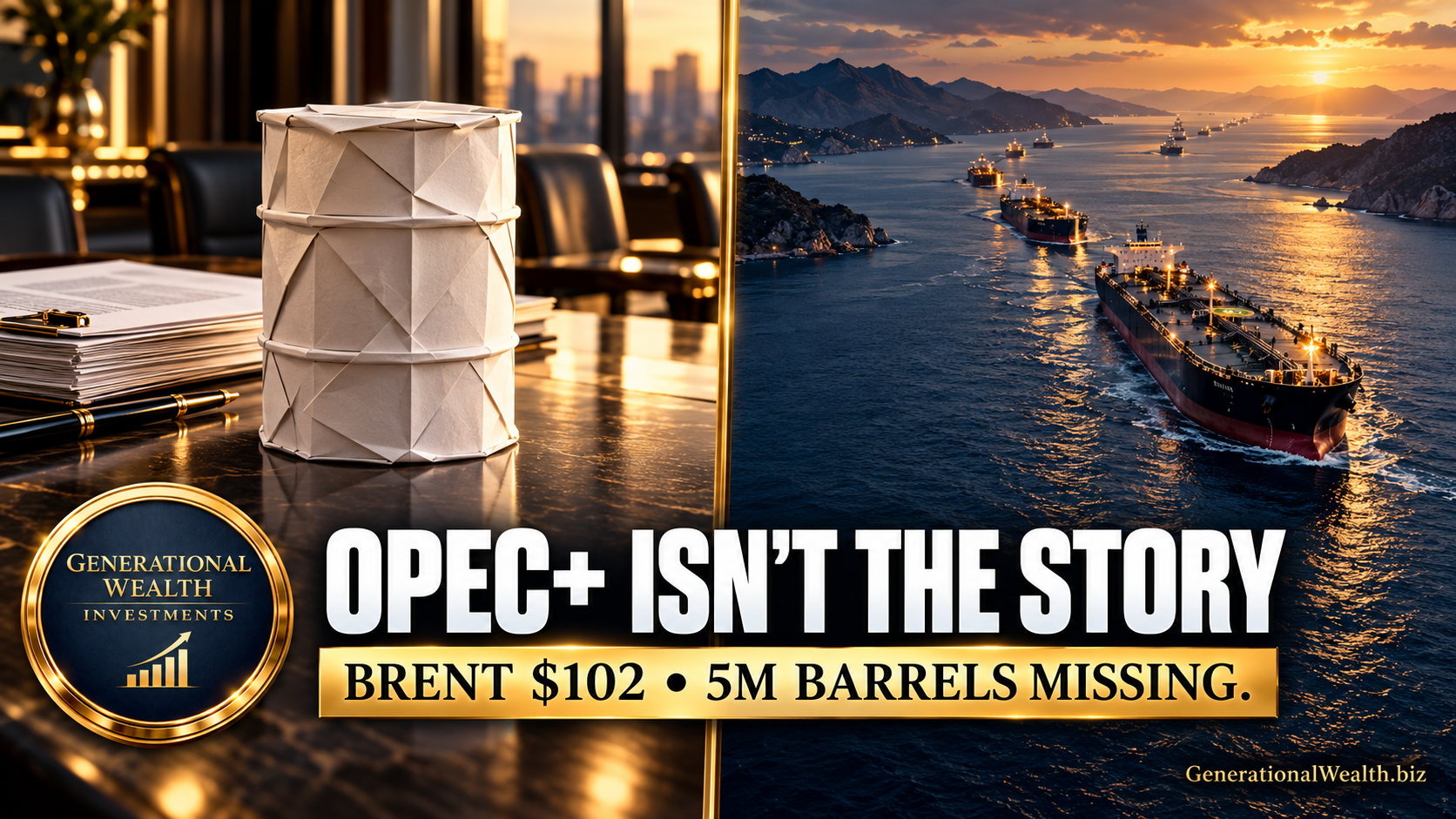
OPEC+ Holds November Targets With Brent Above $100: Why the Real Story Is Barrels That Can't Move
OPEC+ is leaving its November targets unchanged with Brent above $100, and it barely matters. Core producers were pumping about 5 million barrels a day below pre-war levels in August, so higher targets would be permission they cannot use. The real price driver is whether oil and fuel can physically move. Here is what the $11 Brent-WTI gap is telling you, and the one level to watch when trading reopens tonight.