


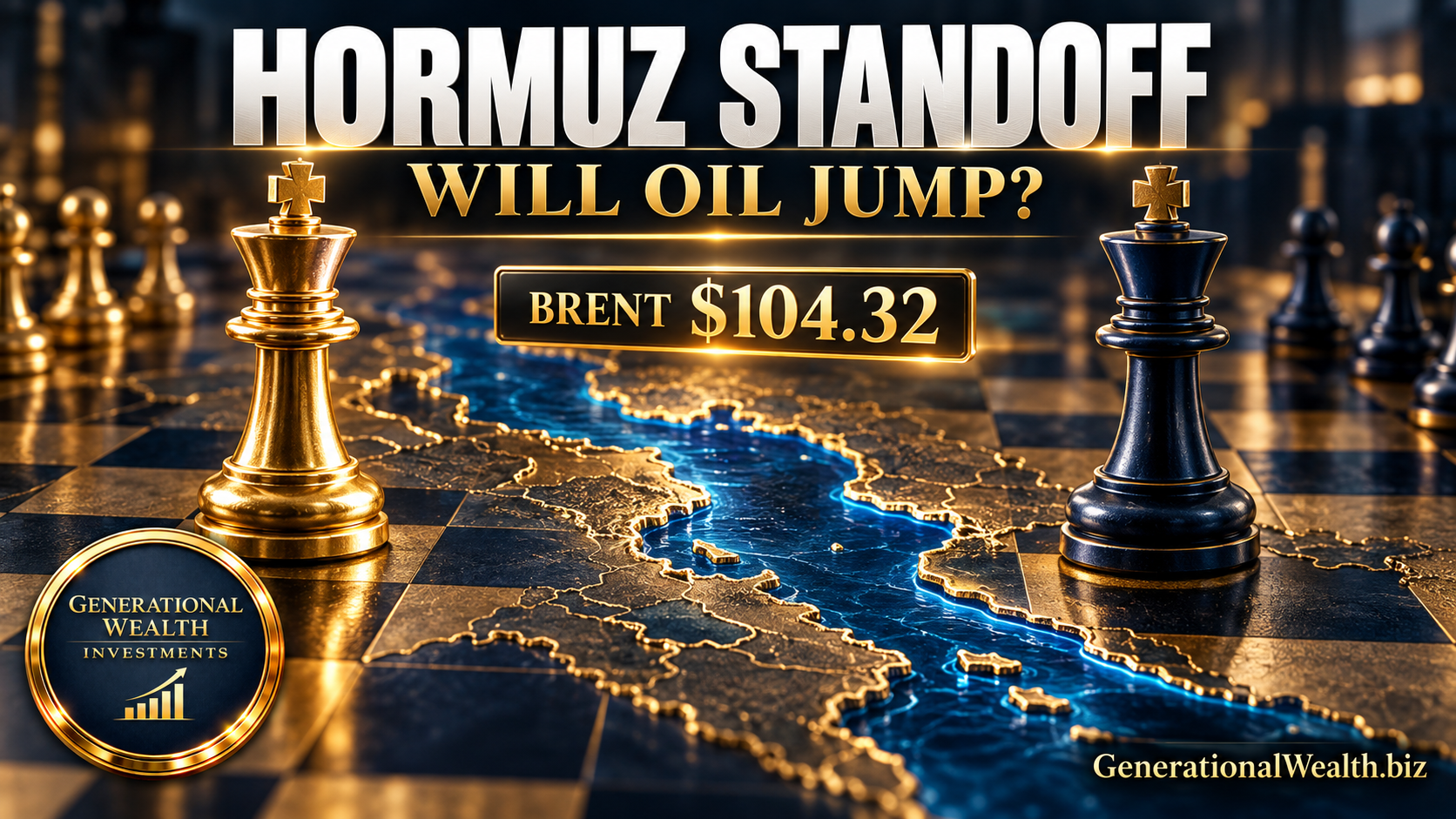
Iran Warns Over Strait of Hormuz After Trump Rejects Reopening Deal: Can Oil's Diplomacy Rally Survive?
Oil traders spent Friday betting on diplomacy, sending Brent crude down 2% to about $104. By Sunday, Trump had rejected Iran's plan to reopen the Strait of Hormuz, and Iran's army said it was ready for renewed U.S. attacks. The real test comes when crude trading reopens: will the risk premium come roaring back?
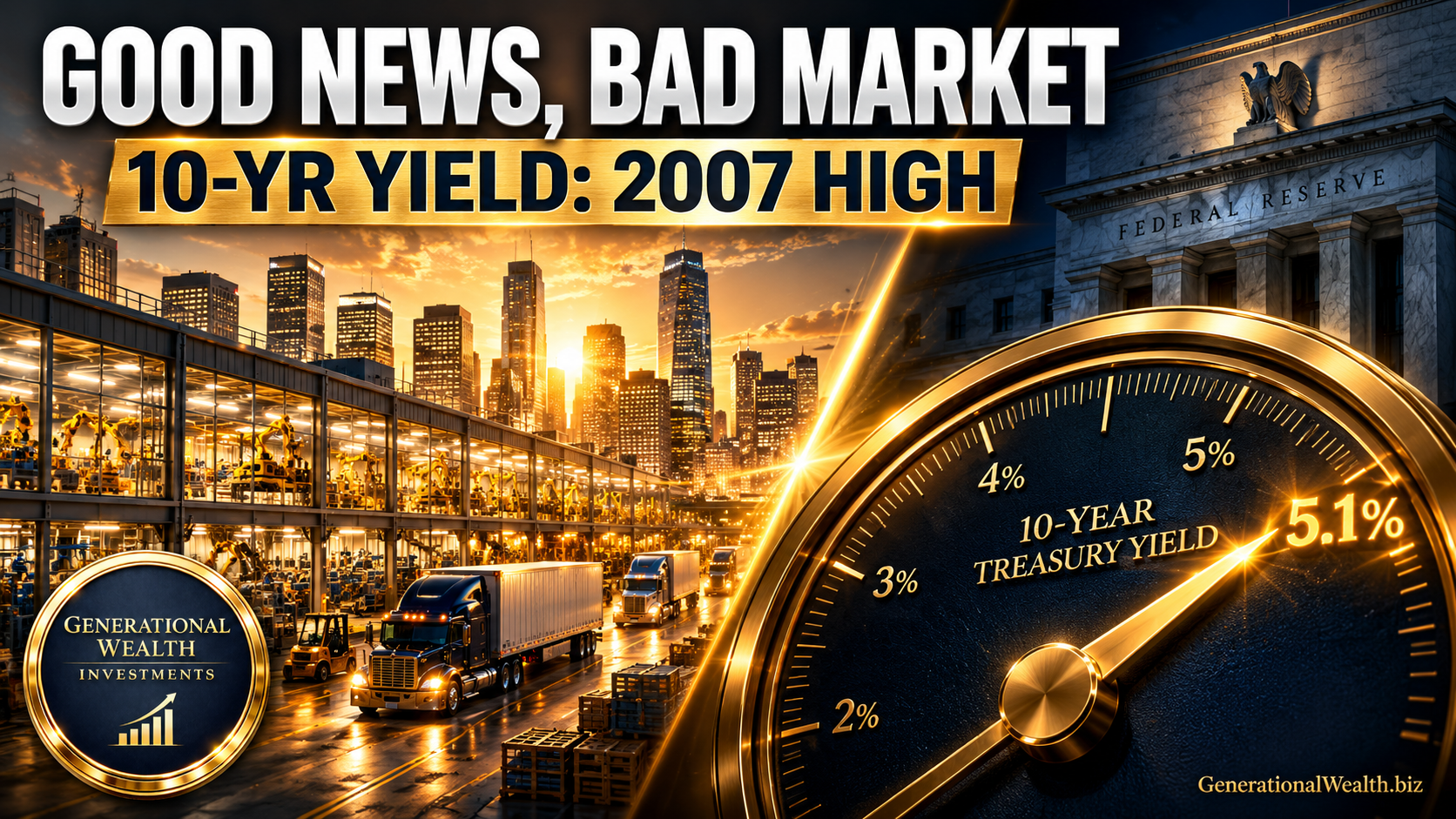
Good News, Bad Market: Why the Strongest Growth Signal in 5 Years Sent Stocks Lower
The U.S. economy just posted its strongest growth signal in 5 years, and stocks fell anyway. Rising business costs sent the 10-year Treasury yield to its highest level since 2007 and pushed October Fed hike odds to about 70%. Here's why good news became bad news, and why next week's inflation report could decide what happens next.

Meta's AI Agent Is Splitting the Stock Market: Chip Stocks Rally as Consumer Platforms Slide
The Nasdaq hit another record, but beneath the surface, Meta's new AI agent split the market in two. Chip stocks surged while Schwab, Airbnb, Uber, and Lyft sold off on fears that AI agents could take over the customer relationship. The real question now: does that pressure spread?

Bitcoin Surges Back Above $80,000 — Crypto Shrugs Off a Rate Hike and a Failed Senate Bill
The Senate blocked the CLARITY Act. The Fed raised rates. And Bitcoin still jumped nearly 6% to top $81,000, with Coinbase, Strategy, and Robinhood posting even bigger gains. The real catalyst was a quiet SEC move that opened a 5-year door to tokenized stock trading. Now comes the real test: can crypto stocks hold their gains when Monday's opening bell catches up to Bitcoin's weekend?

The SEC Just Opened the Door to 24/7 Stock Trading. Now Comes the Hard Part.
The SEC just approved a 5-year exemption for tokenized U.S. stocks that carry real dividends and voting rights, not synthetic price bets. That opens a path to 24/7 trading, fractional ownership, and near-instant settlement, and crypto stocks rallied on the news. But issuers can object and trading volume is capped. The permission slip is signed. Now the real test begins: will anyone actually use it?

The Fed Just Hiked for the First Time in 3+ Years, and the Real Signal Is What Comes Next
The Fed just raised rates for the first time in more than 3 years, but the hike isn't the real story. With 16 of 18 policymakers projecting another hike by year-end, markets are repricing the whole path. The 2-year yield jumped, the Dow slid, and the Nasdaq held firm. The next test comes when bond markets reopen today.

Bitcoin Drops 4% After Senate Blocks Crypto Bill in 49–50 Vote: Why the Fed Decision Is the Next Test
The Senate fell 11 votes short of advancing a federal crypto framework, and markets reacted fast: Bitcoin slid 4% while Coinbase and Circle each lost 9%. The vote itself wasn't the biggest problem, though. It removed Bitcoin's best counterweight to rising yields just hours before the Fed announces its rate decision. Here are the 3 scenarios that could decide crypto's next move.
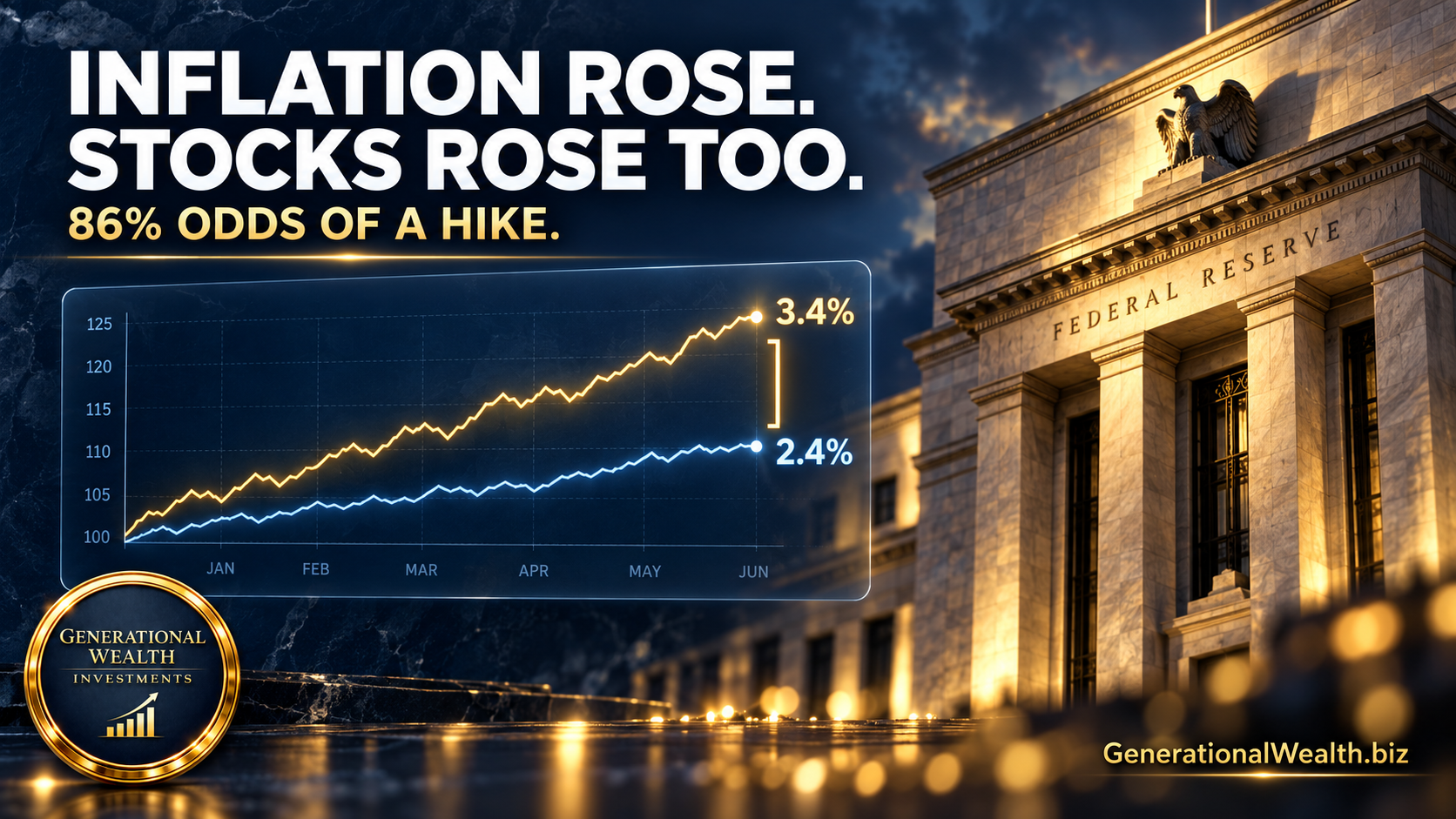
Inflation Accelerated, Rate-Hike Odds Hit 86%, and Stocks Rallied Anyway — Here's What Friday Actually Told Us
Consumer prices accelerated in August. Gasoline jumped 3.9%. Odds of a Federal Reserve rate hike surged toward 90%. And the S&P 500 closed up 0.9% anyway. That looks like a contradiction until you look at the 1-point gap between headline and core inflation — a gap that explains why markets treated this print as a supply shock rather than a demand problem. Here's the full mechanism, the three ways Wednesday's Fed decision can break, and the specific signals that would prove this read wrong.

Apple Jumped 3.6% While the Market Fell — What the iPhone Duo Bet Is Actually Pricing
Apple added roughly $164 billion in market value on a day the S&P 500 fell for the fourth straight session — for a foldable that Counterpoint estimates will generate about $12 billion by year-end. That gap is the story. Here is what the market actually repriced, why rising yields helped Apple instead of hurting it, and the five dated tests between now and January that decide whether the move holds.

Meta Jumps 6.5% While the S&P 500 Falls: What Muse Actually Changed
On Wednesday the market sold the S&P 500 down 0.48% as oil broke $100 and yields hit multi-year highs — and bought Meta up more than 6.5%. That 7-point spread wasn't noise. Meta didn't beat the macro; it changed which side of it the company sits on. Muse attached a $20-per-month subscription to $130 billion in AI spending, and in a rising-rate tape, the market pays for what's close and sells what's far. The adoption test starts now.

Oil Broke $100 and Stocks Barely Blinked — Because the Bond Market Already Paid the Bill
Brent crude pushed past $100 a barrel Wednesday for the first time since July 24 — and S&P 500 futures barely moved. That gap isn't complacency. With the 10-year Treasury near 4.80% and futures pricing roughly 60% odds the Fed raises rates next week, the oil shock has already been absorbed through the rates channel instead of the equity channel. Thursday's PPI print is the sharper test of whether it leaks into everything else.

U.S. Strikes 3 Iranian Oil Tankers: Why Oil Reopens Sunday Night Carrying the Entire Market
The United States struck 3 Iranian oil tankers on Saturday, including one off Kharg Island — Iran's primary crude export terminal. Brent had already closed Friday at $96.28 after a 7.6% weekly gain, with WTI near $91.48 and gasoline averaging roughly $4.15 into a record Labor Day weekend. Now OPEC+ meets Sunday, oil futures reopen Sunday evening, and U.S. equity markets stay closed Monday — giving crude roughly 36 hours to reprice inflation and interest rate expectations with no stock market to argue with it. Here's the full transmission chain from tanker to equity multiple, what separates a risk premium from a real supply disruption, and the falsification test to write down before futures reopen.

Jobs Crushed Expectations and Stocks Fell Anyway: Why 162,000 Jobs Just Raised September Rate Hike Odds
The August jobs report was a blowout: 162,000 jobs added against a 56,000 forecast, with unemployment steady at 4.1%. Stocks fell anyway. The reason isn't complicated once you see it — this report didn't change the economy, it changed the Fed's constraint. Here's the mechanism, why the 2-year Treasury moved before equities did, how oil at $91.48 opens a second inflation channel, and what Thursday's PPI and Friday's CPI will actually decide.

Broadcom Just Forecast $230 Billion in AI Chip Sales — and the Stock Fell Anyway
Broadcom more than tripled AI chip revenue to $16.7 billion and forecast roughly $230 billion by fiscal 2028 — and the stock still fell. Snowflake jumped more than 20%. HPE posted record revenue and dropped over 3%. Same sector, same tailwind, three different verdicts. Here's what the market is actually pricing now, and why the 10-year Treasury yield matters more to these stocks than the guidance did.

Oil Jumps 5%, Yields Hit a 3-Year High — and Gold Refused to Rally. That's the Real Story.
Brent settled at $94.65 and the 10-year Treasury yield reached 4.81% as renewed U.S.-Iran fighting near the Strait of Hormuz put a war premium back into crude. But gold made a 3-week low instead of rallying — and that single contradiction tells you more about this market than the oil headline does. Here's the transmission chain from a barrel of crude to your portfolio's discount rate, plus the four conditions that would break the thesis.

Oil Up, Yields Up, Gold Down: The Market Isn't Pricing Inflation — It's Pricing a Rate Hike
Rate-hike odds climbed to 66%, the 10-year Treasury yield hit its highest level since January 2025, and oil pushed near $92 on renewed Hormuz supply fears. But gold fell 1.2% — and that's the move worth decoding. When bullion drops into a rising oil tape, the market isn't pricing more inflation. It's pricing more Fed. Here's the mechanism behind the repricing, why a Strategic Petroleum Reserve at a 44-year low widens the risk, and the specific thing Friday's jobs report actually decides.

Oil Just Broke $90 After U.S. Strikes in the Strait of Hormuz — But the Real Damage Is Happening at the Fed
Crude broke $90 after American forces struck Iranian launchers near the Strait of Hormuz — but the oil price is the symptom, not the story. This shock landed at the exact moment the Fed foreclosed its own flexibility, pushing September hike odds to 57% and the 2-year yield to 4.34%. Here's the transmission mechanism, the one signal in gold that confirms it, and the three conditions that would prove the read wrong.

Nvidia's $442 Billion Day: Why the Rest of the Market Didn't Follow
Nvidia's $442 billion single-day market cap gain was historic, but the rally underneath it was narrow — only tech finished higher, even as Salesforce and CrowdStrike surged on their own guidance raises. With oil rebounding and Kevin Warsh set to speak at Jackson Hole, here's what actually moved markets Thursday and what to watch next.

Nvidia Beats Earnings, Then Stock Jumps 5%: What the Reversal Really Means
Nvidia reported $96.2 billion in revenue and 117% data-center growth — but the stock only took off after guidance blew past estimates. Here's why the reversal matters, what sticky inflation means for rate expectations, and what to watch at Jackson Hole.

Brent Crude Falls 6% in 2 Sessions: Why the Hormuz Rally Is a Shipping Trade, Not a Fed Trade
Brent crude has fallen more than 6% in two sessions, Treasury yields dropped, and stocks closed green — but nothing about Fed policy changed. Every one of those moves traces back to a single waterway. Here's the mechanism connecting the Strait of Hormuz to the 10-year yield, the PCE trap waiting this morning, and the 4 data points that will confirm or break this rally.