


Oil Falls Below $100 Despite Major Supply Risks: Why Traders Are Betting on Policy Over Panic
Gulf crude exports collapsed to about 8.5 million barrels a day, yet oil fell anyway, with WTI slipping below $100 and Brent sliding near $108. The reason has less to do with tankers and more to do with Washington. Here's how the Russia sanctions waiver reshaped the oil trade, and the 1 price level that decides where inflation goes next.

CoreWeave’s Bonds Are Flashing AI’s Newest Warning, and It Isn’t About Chips
AI demand is still strong, so why is CoreWeave’s debt trading like a distress signal? One bond’s yield topped 16%, default-insurance costs hit records, and hot producer prices just made borrowing harder. The real question now is whether this stays a CoreWeave problem or spreads across every leveraged AI builder.

AI Chip Profits Are Booming — So Why Are AI Stocks Falling?
TSMC just posted its 6th straight record quarter, with profit up nearly 69% and AI demand still outrunning supply. So why are Nvidia, AMD, and Micron falling? The answer isn’t about AI demand. It’s about what money costs, and this morning’s PPI report could tip the balance either

AI Is Now Carrying Wall Street's Profit Growth, and a 5% Treasury Yield Is Testing How Much It Can Hold
Stocks are near record highs with the 10-year Treasury yield above 5%, and one source of profit explains it. AI is expected to supply roughly two-thirds of the S&P 500's 30% earnings growth this quarter, with semiconductor profits projected up 136%. That support comes with a higher bar, and the first real test lands Thursday when Taiwan Semiconductor reports.

Nvidia Hits a Record While the 10-Year Treasury Yield Hits a 24-Year High: Decoding the Contradiction
Nvidia and the Nasdaq closed at records on Monday. The 10-year Treasury yield hit its highest level since 2002 on the same day, and it did so after a weak jobs report that should have pushed it lower. That is the detail most headlines missed. Stock prices are a race between growing profits and a rising discount rate, and right now AI profits are winning. Earnings season starts next week. Here is what has to go right for that to continue, and the 1 thing that only has to go wrong.

Euro Hits a 17-Month Low: Why the French-German Yield Gap Is the Number That Matters
The euro just dropped below $1.12 for the first time since May 2025, and the dollar rose even as Fed hike odds collapsed. That only makes sense once you see what the bond market is saying about France. Here's how a 150-basis-point yield gap became a currency problem, and the level that decides whether it becomes a European one.
OPEC+ Holds November Targets With Brent Above $100: Why the Real Story Is Barrels That Can't Move
OPEC+ is leaving its November targets unchanged with Brent above $100, and it barely matters. Core producers were pumping about 5 million barrels a day below pre-war levels in August, so higher targets would be permission they cannot use. The real price driver is whether oil and fuel can physically move. Here is what the $11 Brent-WTI gap is telling you, and the one level to watch when trading reopens tonight.

The Jobs Report Missed Badly and Stocks Rallied: Decoding the "Bad News Is Good News" Trade
Employers added just 29,000 jobs in September, far below forecasts, and the prior 2 months were revised down by 60,000. Stocks rallied anyway. The reason is a rate-hike repricing that only works inside a narrow band: soft enough to stay the Fed's hand, not soft enough to threaten earnings. Here's how that band works, and why the October 14 CPI report could break it.
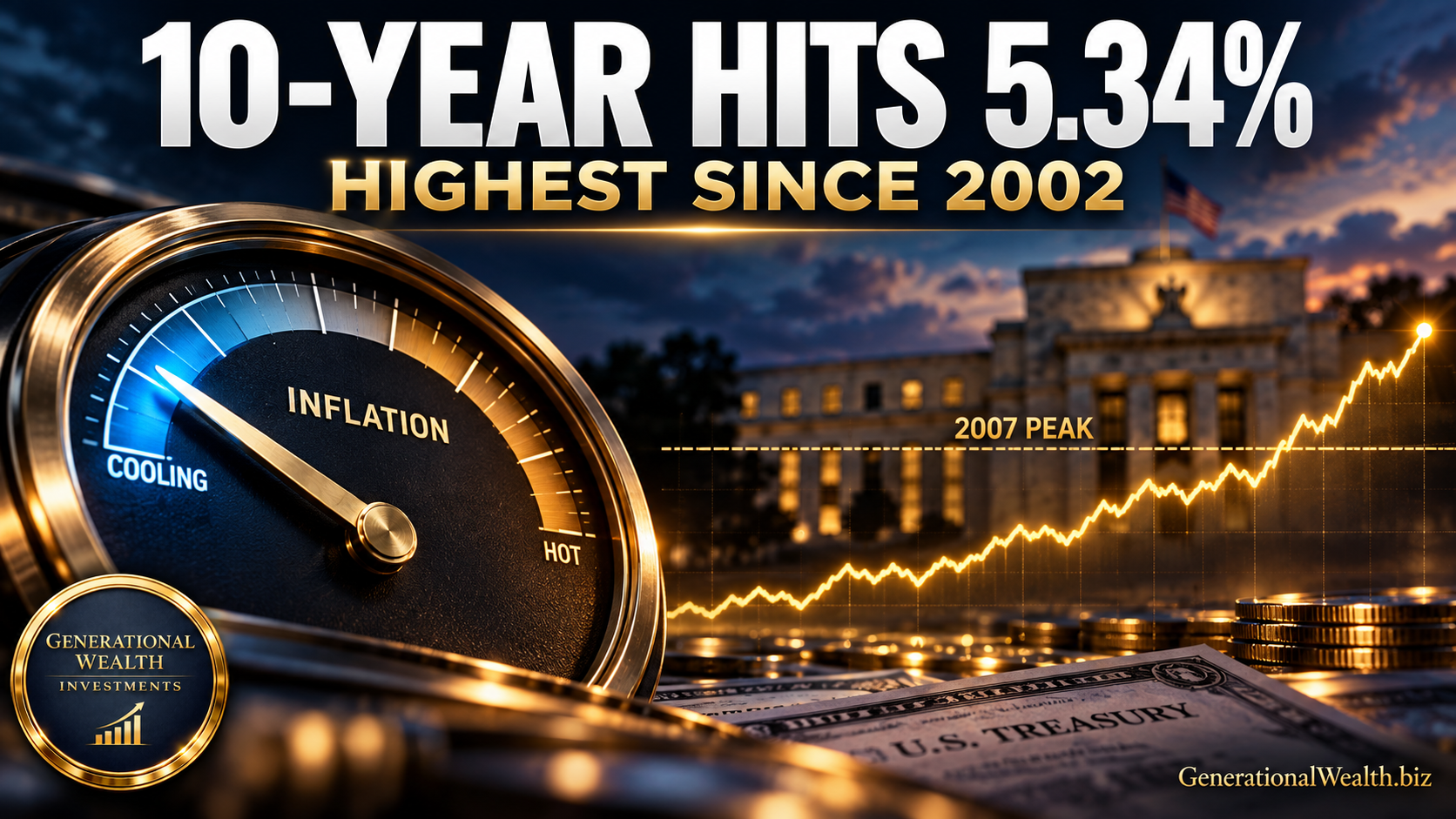
The 10-Year Treasury Yield Just Hit a 24-Year High — and a Softer Inflation Report Couldn't Stop It
The 10-year Treasury yield just broke its 2007 peak and hit its highest level in 24 years — the morning after inflation came in cooler than expected. When good news can't bring long-term rates down, the bond market is sending a message. Here's what's really driving yields, how it hits your mortgage and portfolio, and the 3 jobs-report scenarios that could decide what happens next.

Gold Drops 3% as Oil Surges: Why the Fed, Not Fear, Is Driving Gold Right Now
Gold just dropped 3% on the same day oil spiked on Middle East tension, and that's not how safe havens are supposed to behave. The reason comes down to yields, the dollar, and a 70% chance of another Fed hike. With Wednesday's PCE report approaching, here's what could flip gold's story next.

Iran's Hormuz Proposal Reportedly Rejected: Why Oil's Real Test Comes at the Open
Oil fell Friday on hopes that U.S.-Iran diplomacy could reopen the Strait of Hormuz. Then, after the close, the Wall Street Journal reported President Trump rejected Iran's 7-day proposal — while Tehran still waits for an official answer. Friday's selloff wasn't about barrels; it was about the possibility of a deal. The first trade back will show how much of that possibility survives.
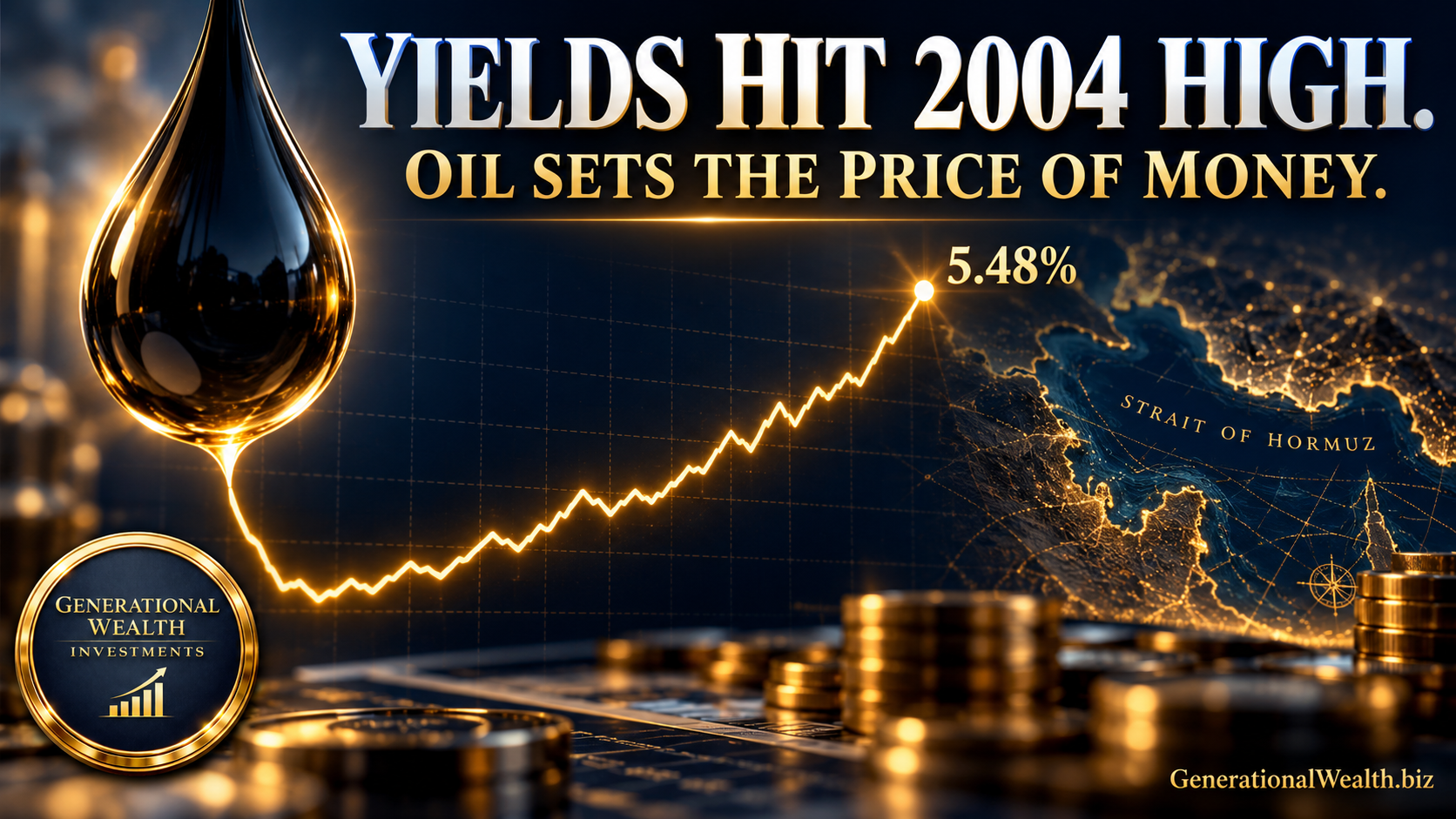
Oil Pushes the 30-Year Treasury Yield to Its Highest Level Since 2004
Oil just pushed the 30-year Treasury yield to its highest level since 2004. Then reports of U.S.-Iran talks on reopening the Strait of Hormuz knocked Brent $3 lower in minutes. Here's why the bond market is treating oil as an inflation problem, not a growth problem, and why next week's inflation data and jobs report could decide where yields go next.
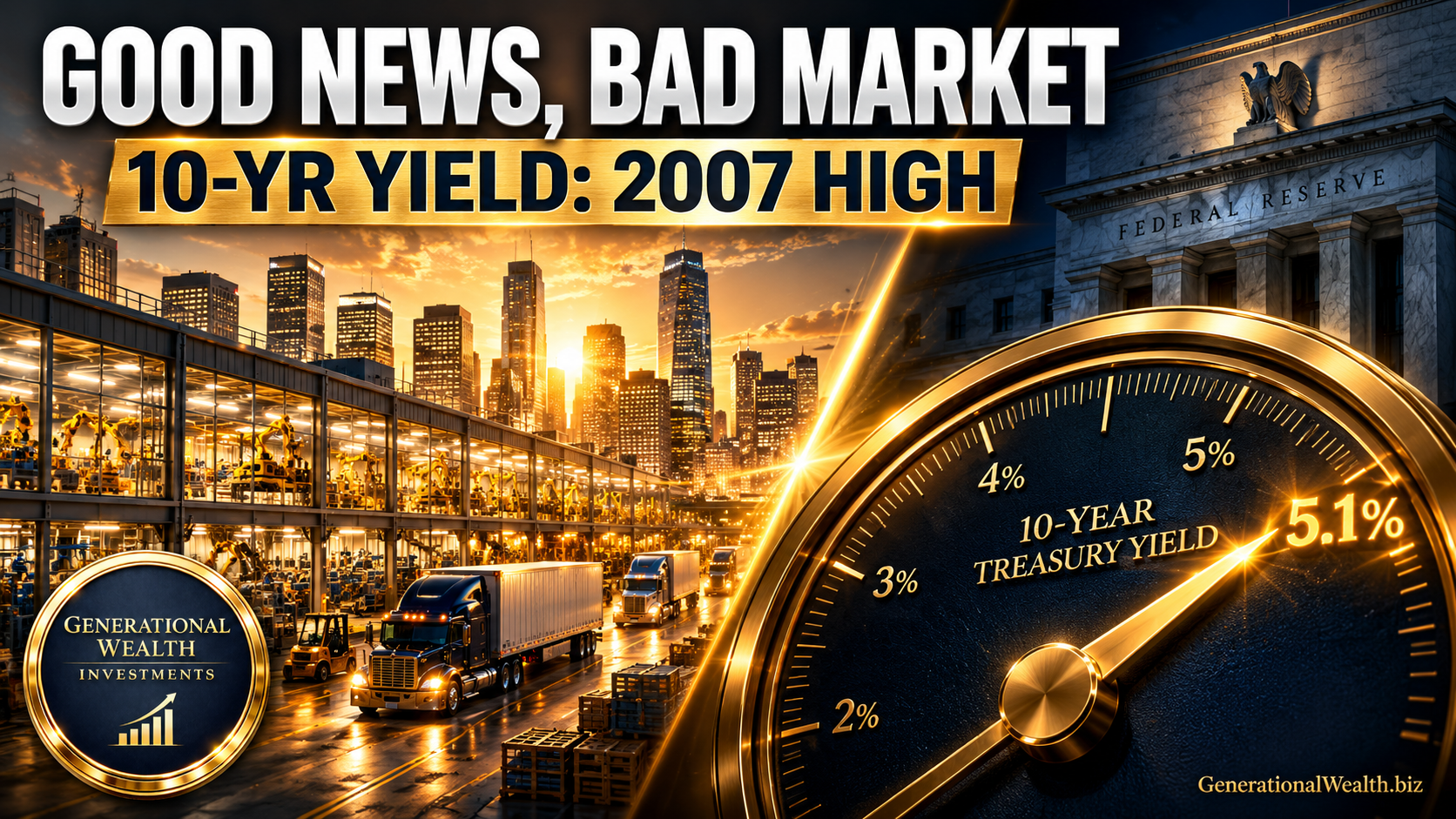
Good News, Bad Market: Why the Strongest Growth Signal in 5 Years Sent Stocks Lower
The U.S. economy just posted its strongest growth signal in 5 years, and stocks fell anyway. Rising business costs sent the 10-year Treasury yield to its highest level since 2007 and pushed October Fed hike odds to about 70%. Here's why good news became bad news, and why next week's inflation report could decide what happens next.

Oil Falls Below $100 Despite Attacks on Saudi Arabia: Why Barrels Beat Headlines
Weekend attacks on Saudi Arabia should have sent oil soaring. Instead, WTI slipped below $100 as Saudi exports rebounded and U.S.–Iran diplomacy came into view. Here's why the market trusted the barrels over the headlines, and the one price level that decides what happens next.

Bitcoin Surges Back Above $80,000 — Crypto Shrugs Off a Rate Hike and a Failed Senate Bill
The Senate blocked the CLARITY Act. The Fed raised rates. And Bitcoin still jumped nearly 6% to top $81,000, with Coinbase, Strategy, and Robinhood posting even bigger gains. The real catalyst was a quiet SEC move that opened a 5-year door to tokenized stock trading. Now comes the real test: can crypto stocks hold their gains when Monday's opening bell catches up to Bitcoin's weekend?

The Fed Just Hiked for the First Time in 3+ Years, and the Real Signal Is What Comes Next
The Fed just raised rates for the first time in more than 3 years, but the hike isn't the real story. With 16 of 18 policymakers projecting another hike by year-end, markets are repricing the whole path. The 2-year yield jumped, the Dow slid, and the Nasdaq held firm. The next test comes when bond markets reopen today.

Bitcoin Drops 4% After Senate Blocks Crypto Bill in 49–50 Vote: Why the Fed Decision Is the Next Test
The Senate fell 11 votes short of advancing a federal crypto framework, and markets reacted fast: Bitcoin slid 4% while Coinbase and Circle each lost 9%. The vote itself wasn't the biggest problem, though. It removed Bitcoin's best counterweight to rising yields just hours before the Fed announces its rate decision. Here are the 3 scenarios that could decide crypto's next move.
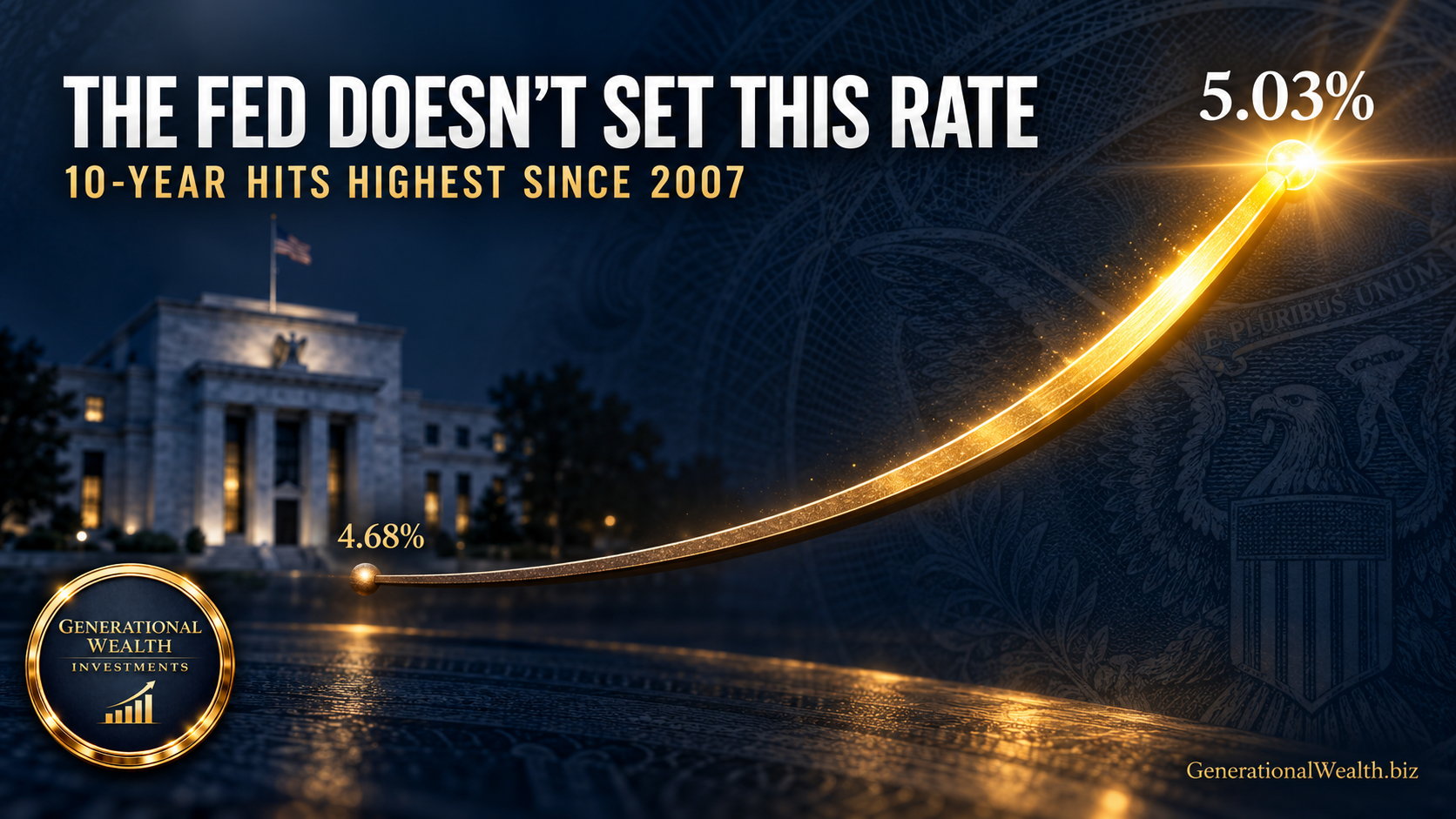
The 10-Year Just Hit 5.03% — And the Fed Doesn't Control That Number
The 10-year Treasury yield hit 5.03% overnight, its highest level since 2007 — and the 2-year barely moved. That gap is the whole story. Here's why an oil-driven inflation shock, not Fed policy, is repricing the long end of the curve, what it means for a 6.76% mortgage, and the 3 things in Wednesday's dot plot that decide whether this is one hike or the start of a cycle.

Nvidia Falls, Software Rallies: The AI Trade Just Split in Two
Three of the most powerful people in AI spent the weekend agreeing their industry is moving too fast. By Monday's premarket, Nvidia was down more than 2%, chip stocks were bleeding across three continents, and the enterprise software sector left for dead all year was catching a bid. That's not the market rejecting AI — it's the market re-pricing who inside the AI trade gets paid. Here's the mechanism behind the split, the two macro crosscurrents most coverage ignored, and exactly what would prove this read wrong.

Three Chokepoints, Zero Backup: Why One Tanker Strike Just Repriced the Entire Oil Market
A ship was hit in the Strait of Hormuz overnight — but the tanker isn't the story. It landed while Saudi Arabia's East-West pipeline, carrying 4 to 5 million barrels a day, sits shut after drone strikes, and Houthi forces tighten their grip on the Red Sea exit. Three chokepoints, one system, no spare route. Here's what that means for oil, for record diesel prices, and for Wednesday's Fed decision.