



The Jobs Report Missed Badly and Stocks Rallied: Decoding the "Bad News Is Good News" Trade
Employers added just 29,000 jobs in September, far below forecasts, and the prior 2 months were revised down by 60,000. Stocks rallied anyway. The reason is a rate-hike repricing that only works inside a narrow band: soft enough to stay the Fed's hand, not soft enough to threaten earnings. Here's how that band works, and why the October 14 CPI report could break it.
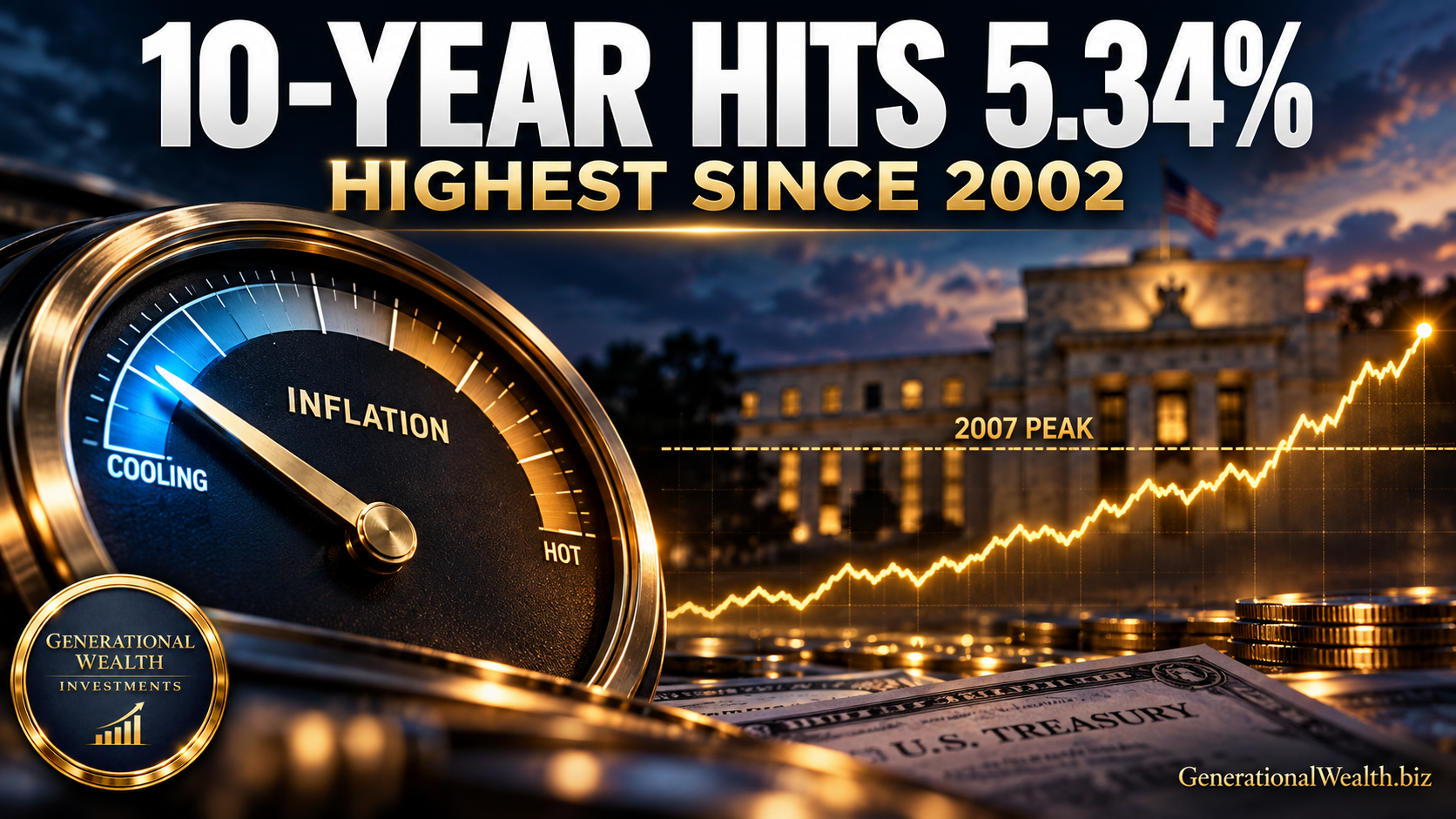
The 10-Year Treasury Yield Just Hit a 24-Year High — and a Softer Inflation Report Couldn't Stop It
The 10-year Treasury yield just broke its 2007 peak and hit its highest level in 24 years — the morning after inflation came in cooler than expected. When good news can't bring long-term rates down, the bond market is sending a message. Here's what's really driving yields, how it hits your mortgage and portfolio, and the 3 jobs-report scenarios that could decide what happens next.

Gold Drops 3% as Oil Surges: Why the Fed, Not Fear, Is Driving Gold Right Now
Gold just dropped 3% on the same day oil spiked on Middle East tension, and that's not how safe havens are supposed to behave. The reason comes down to yields, the dollar, and a 70% chance of another Fed hike. With Wednesday's PCE report approaching, here's what could flip gold's story next.
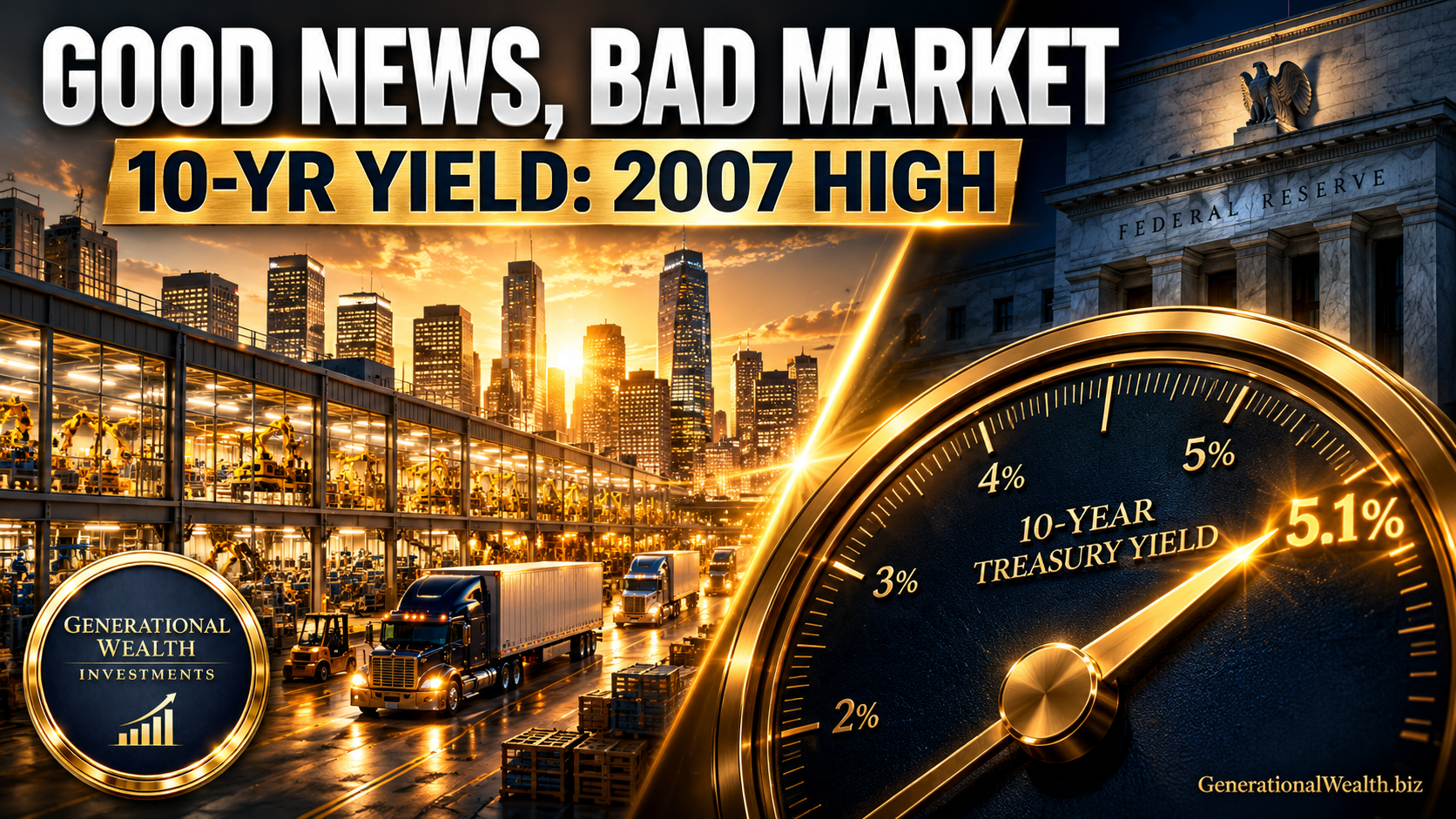
Good News, Bad Market: Why the Strongest Growth Signal in 5 Years Sent Stocks Lower
The U.S. economy just posted its strongest growth signal in 5 years, and stocks fell anyway. Rising business costs sent the 10-year Treasury yield to its highest level since 2007 and pushed October Fed hike odds to about 70%. Here's why good news became bad news, and why next week's inflation report could decide what happens next.

Bitcoin Surges Back Above $80,000 — Crypto Shrugs Off a Rate Hike and a Failed Senate Bill
The Senate blocked the CLARITY Act. The Fed raised rates. And Bitcoin still jumped nearly 6% to top $81,000, with Coinbase, Strategy, and Robinhood posting even bigger gains. The real catalyst was a quiet SEC move that opened a 5-year door to tokenized stock trading. Now comes the real test: can crypto stocks hold their gains when Monday's opening bell catches up to Bitcoin's weekend?

The Fed Just Hiked for the First Time in 3+ Years, and the Real Signal Is What Comes Next
The Fed just raised rates for the first time in more than 3 years, but the hike isn't the real story. With 16 of 18 policymakers projecting another hike by year-end, markets are repricing the whole path. The 2-year yield jumped, the Dow slid, and the Nasdaq held firm. The next test comes when bond markets reopen today.
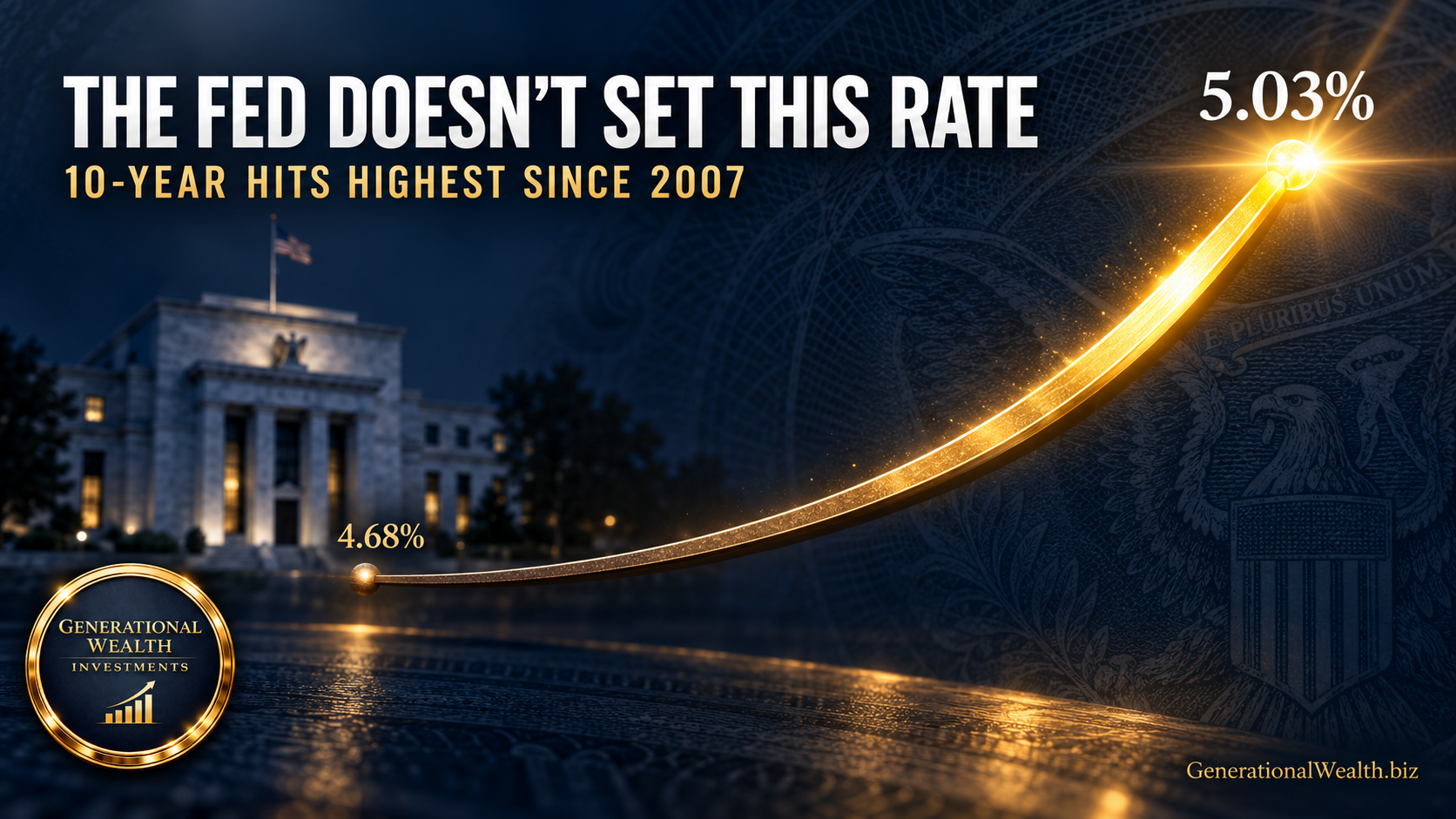
The 10-Year Just Hit 5.03% — And the Fed Doesn't Control That Number
The 10-year Treasury yield hit 5.03% overnight, its highest level since 2007 — and the 2-year barely moved. That gap is the whole story. Here's why an oil-driven inflation shock, not Fed policy, is repricing the long end of the curve, what it means for a 6.76% mortgage, and the 3 things in Wednesday's dot plot that decide whether this is one hike or the start of a cycle.
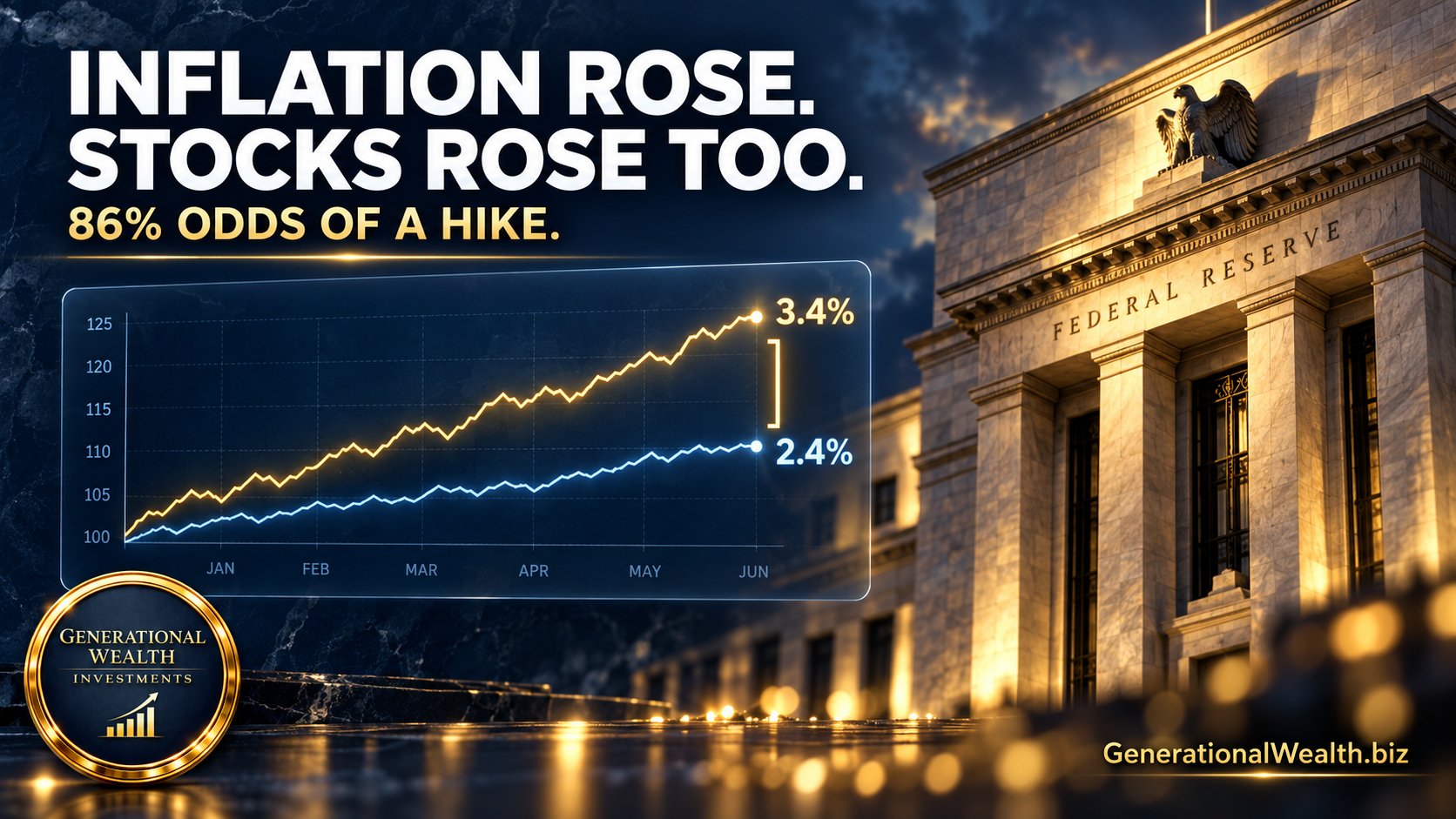
Inflation Accelerated, Rate-Hike Odds Hit 86%, and Stocks Rallied Anyway — Here's What Friday Actually Told Us
Consumer prices accelerated in August. Gasoline jumped 3.9%. Odds of a Federal Reserve rate hike surged toward 90%. And the S&P 500 closed up 0.9% anyway. That looks like a contradiction until you look at the 1-point gap between headline and core inflation — a gap that explains why markets treated this print as a supply shock rather than a demand problem. Here's the full mechanism, the three ways Wednesday's Fed decision can break, and the specific signals that would prove this read wrong.

Oil Broke $100 and Stocks Barely Blinked — Because the Bond Market Already Paid the Bill
Brent crude pushed past $100 a barrel Wednesday for the first time since July 24 — and S&P 500 futures barely moved. That gap isn't complacency. With the 10-year Treasury near 4.80% and futures pricing roughly 60% odds the Fed raises rates next week, the oil shock has already been absorbed through the rates channel instead of the equity channel. Thursday's PPI print is the sharper test of whether it leaks into everything else.

Rate-Hike Odds Just Fell to a Coin Flip. The Same Day's Data Said Not So Fast.
Stocks rallied Thursday after Fed Governor Christopher Waller signaled he could support holding rates steady in September. But Waller offered a conditional, not a commitment — and the same morning's ISM report showed services prices at their hottest since August 2022 with employment contracting for a second straight month. Here's why the market's reaction function has inverted, what the three jobs-report scenarios actually mean, and what would prove this thesis wrong.