



AI Chip Profits Are Booming — So Why Are AI Stocks Falling?
TSMC just posted its 6th straight record quarter, with profit up nearly 69% and AI demand still outrunning supply. So why are Nvidia, AMD, and Micron falling? The answer isn’t about AI demand. It’s about what money costs, and this morning’s PPI report could tip the balance either

The Jobs Report Missed Badly and Stocks Rallied: Decoding the "Bad News Is Good News" Trade
Employers added just 29,000 jobs in September, far below forecasts, and the prior 2 months were revised down by 60,000. Stocks rallied anyway. The reason is a rate-hike repricing that only works inside a narrow band: soft enough to stay the Fed's hand, not soft enough to threaten earnings. Here's how that band works, and why the October 14 CPI report could break it.
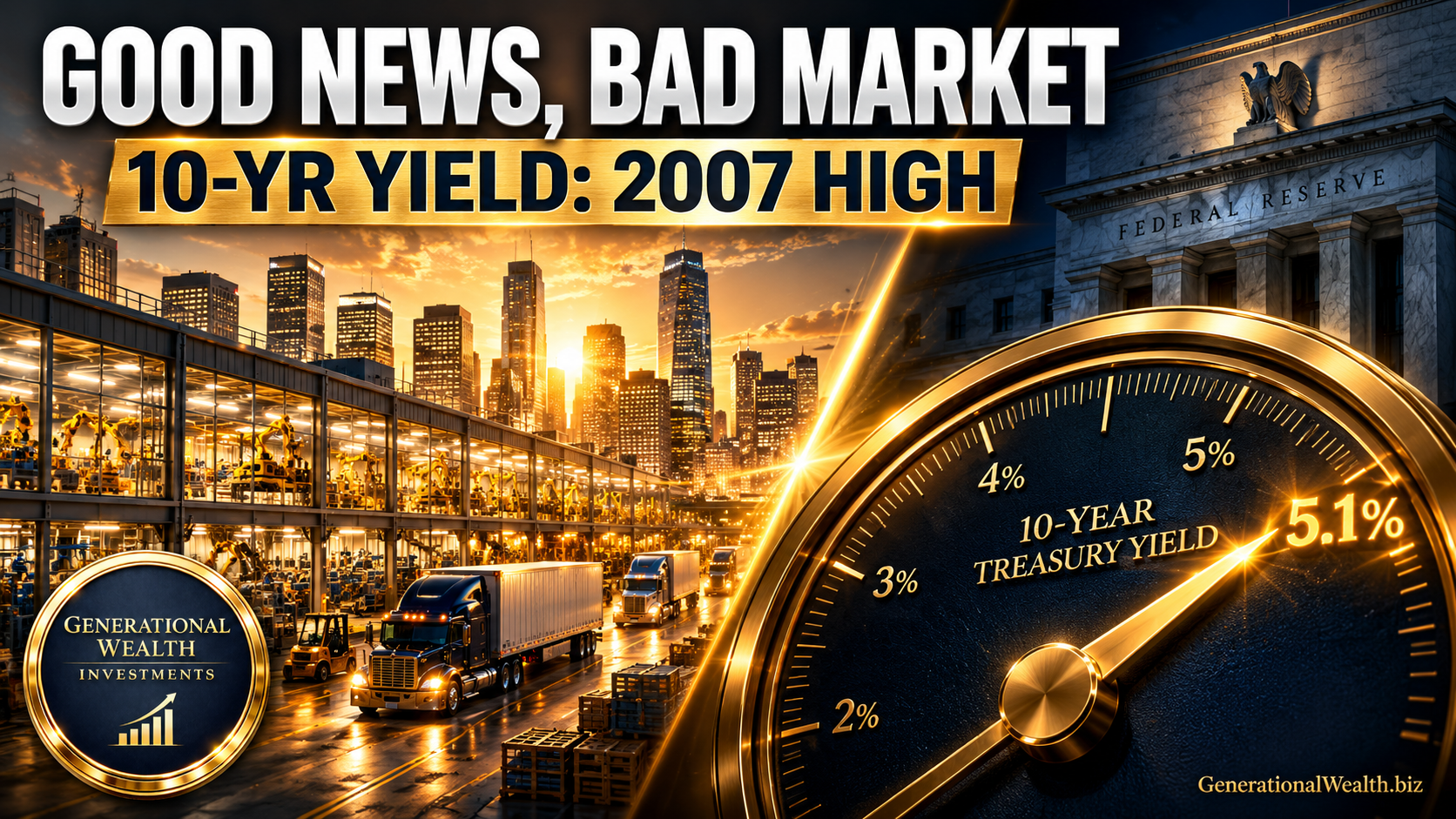
Good News, Bad Market: Why the Strongest Growth Signal in 5 Years Sent Stocks Lower
The U.S. economy just posted its strongest growth signal in 5 years, and stocks fell anyway. Rising business costs sent the 10-year Treasury yield to its highest level since 2007 and pushed October Fed hike odds to about 70%. Here's why good news became bad news, and why next week's inflation report could decide what happens next.

The Fed Just Hiked for the First Time in 3+ Years, and the Real Signal Is What Comes Next
The Fed just raised rates for the first time in more than 3 years, but the hike isn't the real story. With 16 of 18 policymakers projecting another hike by year-end, markets are repricing the whole path. The 2-year yield jumped, the Dow slid, and the Nasdaq held firm. The next test comes when bond markets reopen today.
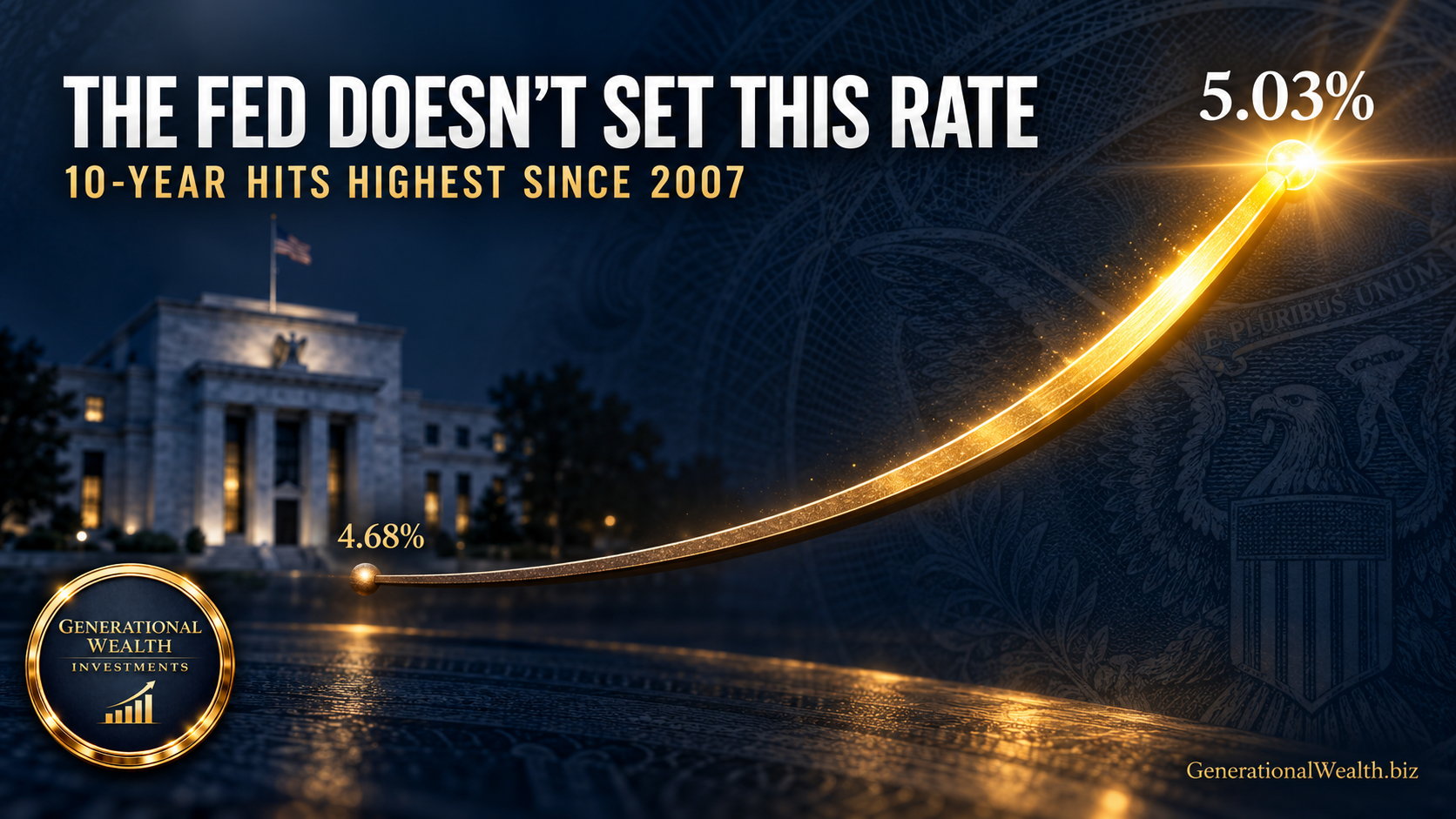
The 10-Year Just Hit 5.03% — And the Fed Doesn't Control That Number
The 10-year Treasury yield hit 5.03% overnight, its highest level since 2007 — and the 2-year barely moved. That gap is the whole story. Here's why an oil-driven inflation shock, not Fed policy, is repricing the long end of the curve, what it means for a 6.76% mortgage, and the 3 things in Wednesday's dot plot that decide whether this is one hike or the start of a cycle.

Apple Jumped 3.6% While the Market Fell — What the iPhone Duo Bet Is Actually Pricing
Apple added roughly $164 billion in market value on a day the S&P 500 fell for the fourth straight session — for a foldable that Counterpoint estimates will generate about $12 billion by year-end. That gap is the story. Here is what the market actually repriced, why rising yields helped Apple instead of hurting it, and the five dated tests between now and January that decide whether the move holds.

Meta Jumps 6.5% While the S&P 500 Falls: What Muse Actually Changed
On Wednesday the market sold the S&P 500 down 0.48% as oil broke $100 and yields hit multi-year highs — and bought Meta up more than 6.5%. That 7-point spread wasn't noise. Meta didn't beat the macro; it changed which side of it the company sits on. Muse attached a $20-per-month subscription to $130 billion in AI spending, and in a rising-rate tape, the market pays for what's close and sells what's far. The adoption test starts now.

Oil Broke $100 and Stocks Barely Blinked — Because the Bond Market Already Paid the Bill
Brent crude pushed past $100 a barrel Wednesday for the first time since July 24 — and S&P 500 futures barely moved. That gap isn't complacency. With the 10-year Treasury near 4.80% and futures pricing roughly 60% odds the Fed raises rates next week, the oil shock has already been absorbed through the rates channel instead of the equity channel. Thursday's PPI print is the sharper test of whether it leaks into everything else.

Rate Hike Odds Jump to 57%, Nvidia Falls 4.6%: How One Jackson Hole Speech Repriced the Entire Market
Nvidia gained 8.7% on AI guidance Thursday, then fell 4.6% Friday on news that had nothing to do with Nvidia. What changed was the price of money. Fed Chair Kevin Warsh put the 2% target back at the center of the market, September rate hike odds jumped from roughly 35% to 57%, the 2-year Treasury yield rose 13 basis points to a one-month high, and gold dropped 3%. Here's the full causal chain, the falsification test for whether it holds, and the three scenarios for the August jobs report.