


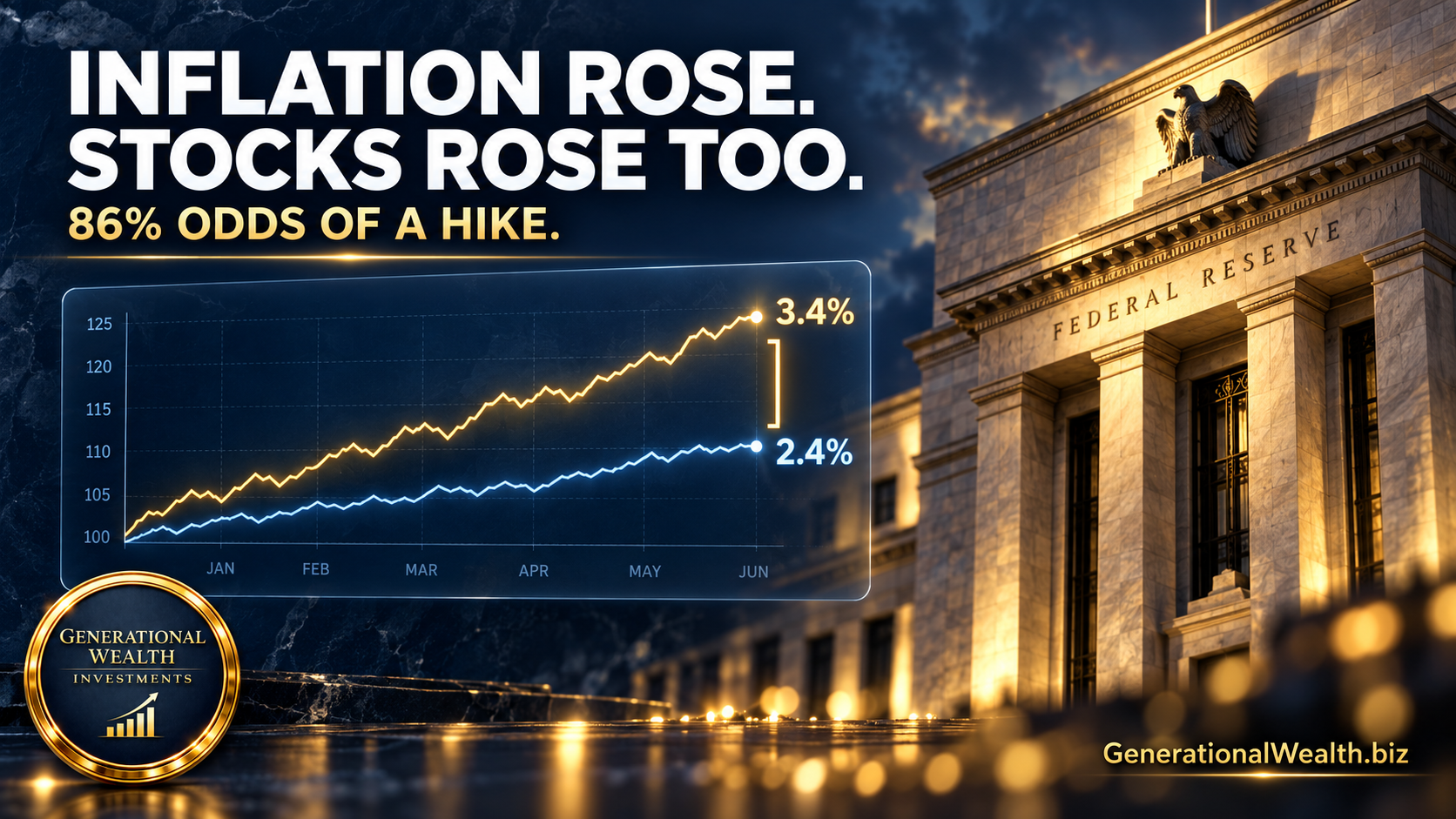
Inflation Accelerated, Rate-Hike Odds Hit 86%, and Stocks Rallied Anyway — Here's What Friday Actually Told Us
Consumer prices accelerated in August. Gasoline jumped 3.9%. Odds of a Federal Reserve rate hike surged toward 90%. And the S&P 500 closed up 0.9% anyway. That looks like a contradiction until you look at the 1-point gap between headline and core inflation — a gap that explains why markets treated this print as a supply shock rather than a demand problem. Here's the full mechanism, the three ways Wednesday's Fed decision can break, and the specific signals that would prove this read wrong.

The Strait of Hormuz Is Running at 17% of Normal — and Stocks Just Closed Near a Record High
The world's most important oil chokepoint is operating at 17% of normal capacity under active attack — and U.S. stocks closed the week a fraction below a record high. That gap isn't irrational. It's a specific, testable bet that this is a price problem, not a growth problem. Here's what breaks it, and why this week's retail earnings and Fed minutes are the stress test.
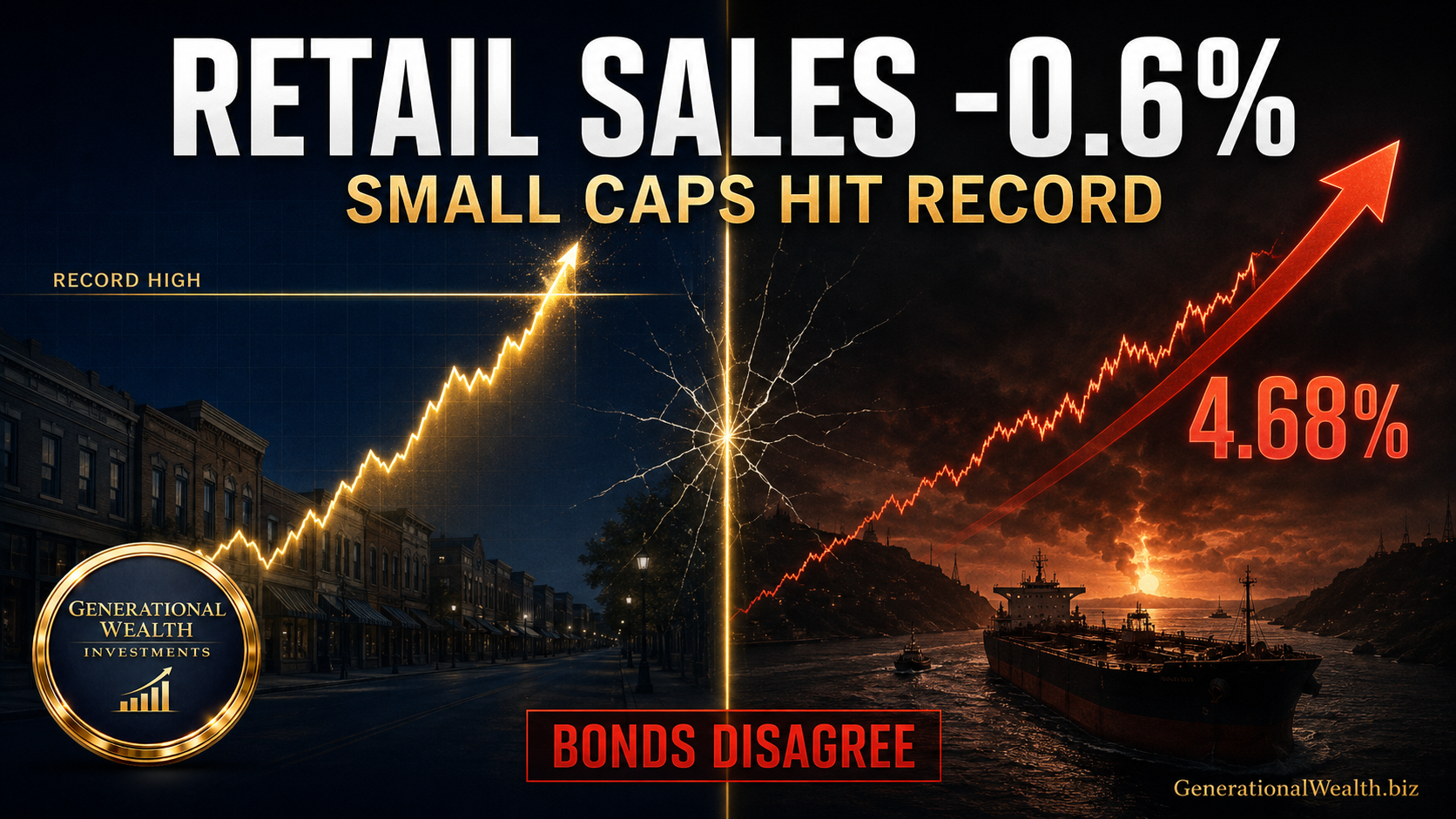
Retail Sales Fell 0.6% and Small Caps Closed at a Record. The Bond Market Didn't Buy It.
The American consumer just posted the biggest spending drop in more than a year — and small-cap stocks closed at an all-time high the same day. The equity market saw cheaper money coming. The bond market pushed the 10-year to 4.68% and disagreed. Only one of them can be right, and Home Depot, Target, Lowe's, and Walmart start settling it this week.