



Oil Broke $100 and Stocks Barely Blinked — Because the Bond Market Already Paid the Bill
Brent crude pushed past $100 a barrel Wednesday for the first time since July 24 — and S&P 500 futures barely moved. That gap isn't complacency. With the 10-year Treasury near 4.80% and futures pricing roughly 60% odds the Fed raises rates next week, the oil shock has already been absorbed through the rates channel instead of the equity channel. Thursday's PPI print is the sharper test of whether it leaks into everything else.

Oil Hits $99 After Saudi Strike — But Gold Fell. That Divergence Is the Real Story
Oil hit $99 after Iran-backed Houthi forces struck Saudi energy facilities, with Brent up 2% and WTI up more than 3% to $94.41. But gold fell on the same session — and that divergence is the real signal. Here's what it says about the Fed, why this week's CPI and PPI prints can't answer the question everyone's asking, and the three scenarios into the September 15-16 meeting.

Jobs Crushed Expectations and Stocks Fell Anyway: Why 162,000 Jobs Just Raised September Rate Hike Odds
The August jobs report was a blowout: 162,000 jobs added against a 56,000 forecast, with unemployment steady at 4.1%. Stocks fell anyway. The reason isn't complicated once you see it — this report didn't change the economy, it changed the Fed's constraint. Here's the mechanism, why the 2-year Treasury moved before equities did, how oil at $91.48 opens a second inflation channel, and what Thursday's PPI and Friday's CPI will actually decide.
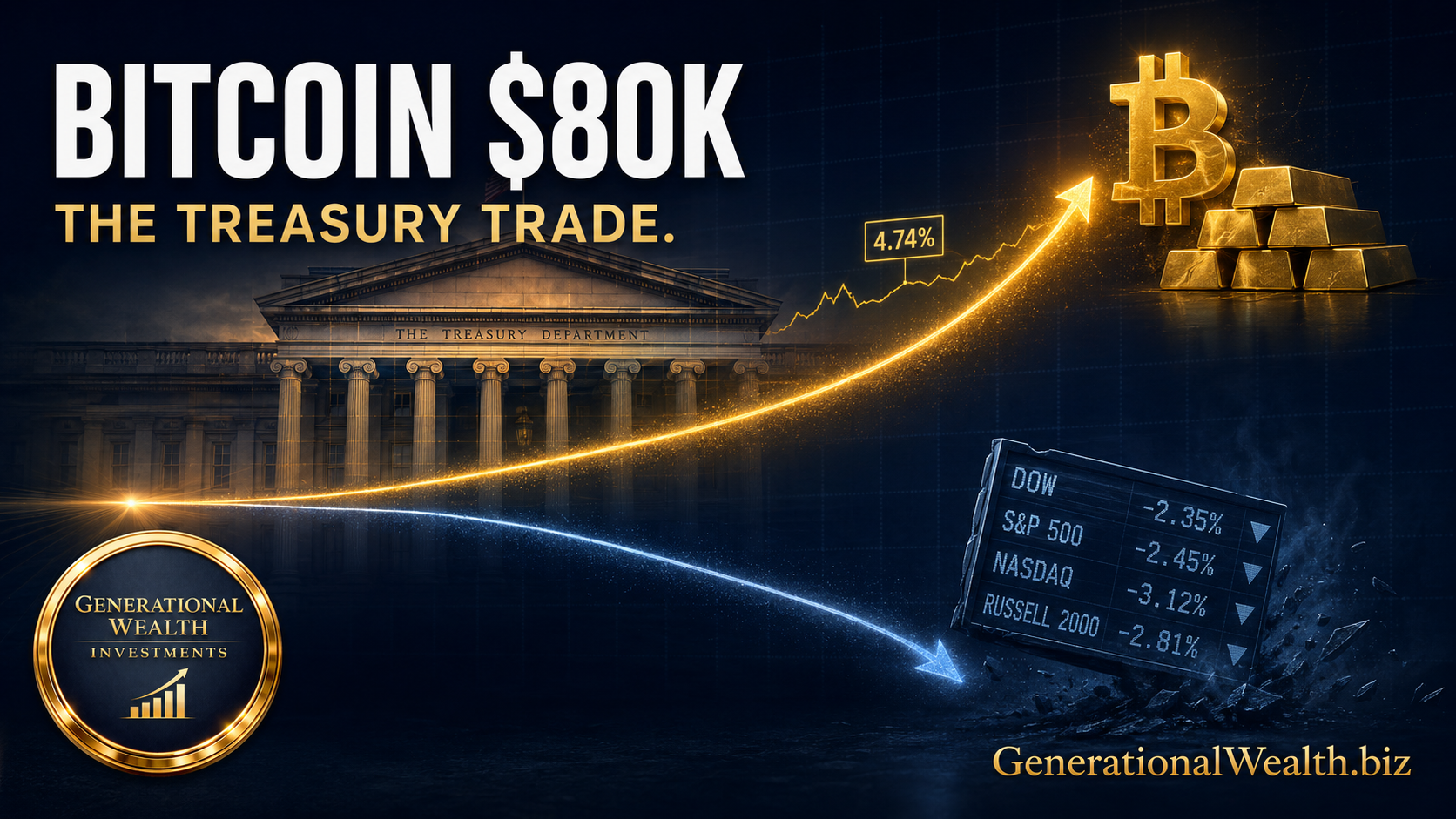
Bitcoin Hits $80,000 on a Treasury Decision — And the Bond Market Is Already Disagreeing
Bitcoin posted its biggest weekly gain in over 2 years, closing near $77,000 after touching almost $80,000. Gold settled above $4,600 an ounce. And the S&P 500 finished the week down 1.5%. The catalyst wasn't crypto news — it was a U.S. Treasury buyback announcement, and the way different assets read it reveals what investors actually believe about fiscal credibility. Here's the mechanism underneath the move, and the one data point that says the whole trade may be built on a premise the bond market has already rejected.

The Strait of Hormuz Is Running at 17% of Normal — and Stocks Just Closed Near a Record High
The world's most important oil chokepoint is operating at 17% of normal capacity under active attack — and U.S. stocks closed the week a fraction below a record high. That gap isn't irrational. It's a specific, testable bet that this is a price problem, not a growth problem. Here's what breaks it, and why this week's retail earnings and Fed minutes are the stress test.

Oil Climbs a Third Session, Gold Nears $4,400 and Silver Clears $64 as Markets Brace for CPI
Oil climbed for a third straight session after Iran ruled out direct talks with Washington, pushing gold toward $4,400 and silver past $64. Meanwhile the S&P 500 closed at a record 7,757 and Nasdaq futures led again overnight. Capital is hedging Wednesday's inflation print two contradictory ways at once — here's what that rotation is telling you.
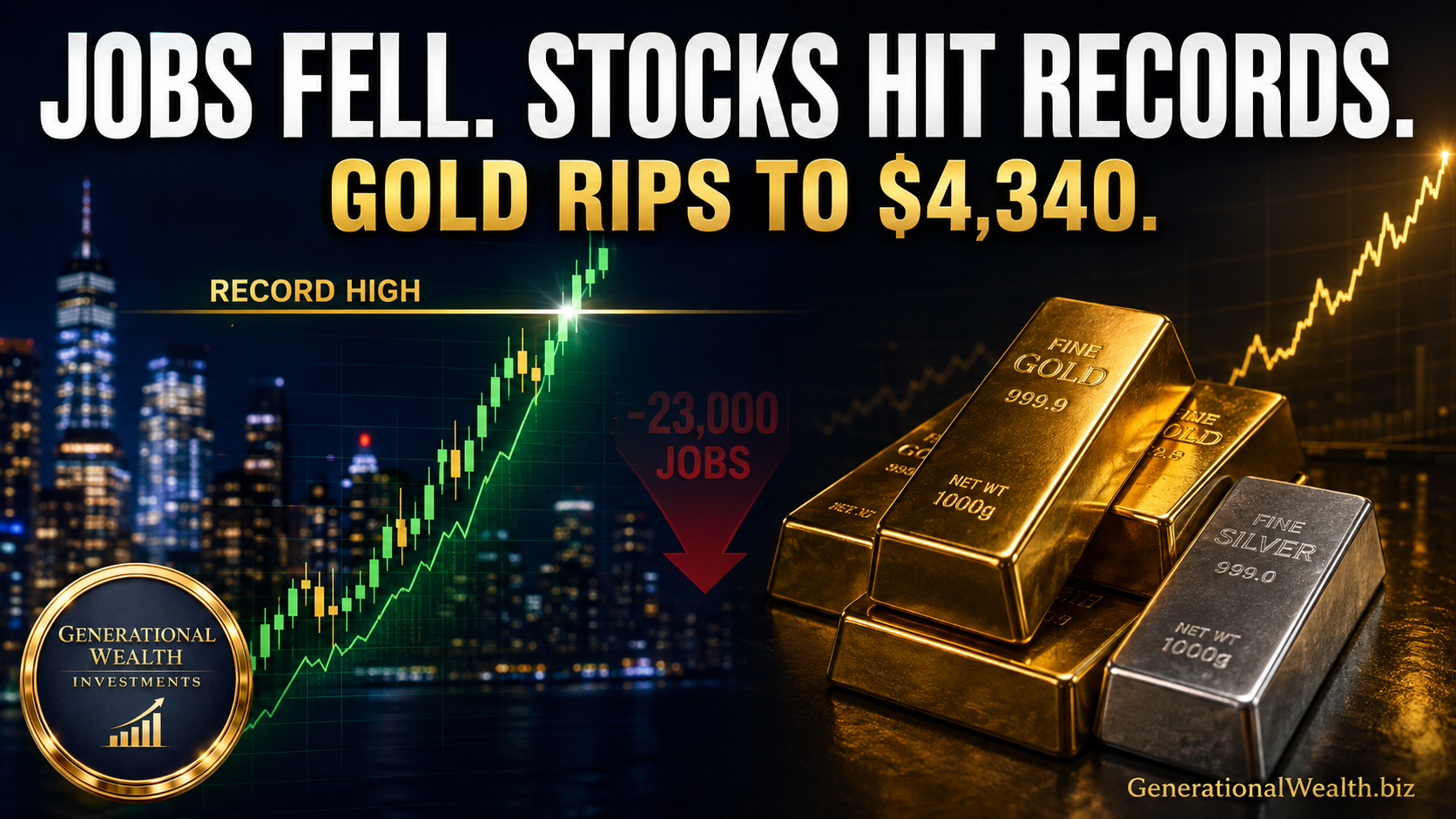
Stocks Hit Record Highs as Economy Loses 23,000 Jobs — Gold Rips to a 7-Week High
The economy unexpectedly shed 23,000 jobs in July — and Wall Street rallied to record highs anyway. With September rate hike odds falling from 57% to 44%, capital rotated into growth, chips, and hard assets while gold hit a 7-week high near $4,340. Here's the full breakdown of what drove Friday's session, why gold and the Nasdaq rallied together, and why Wednesday's CPI print is the whole ballgame.