


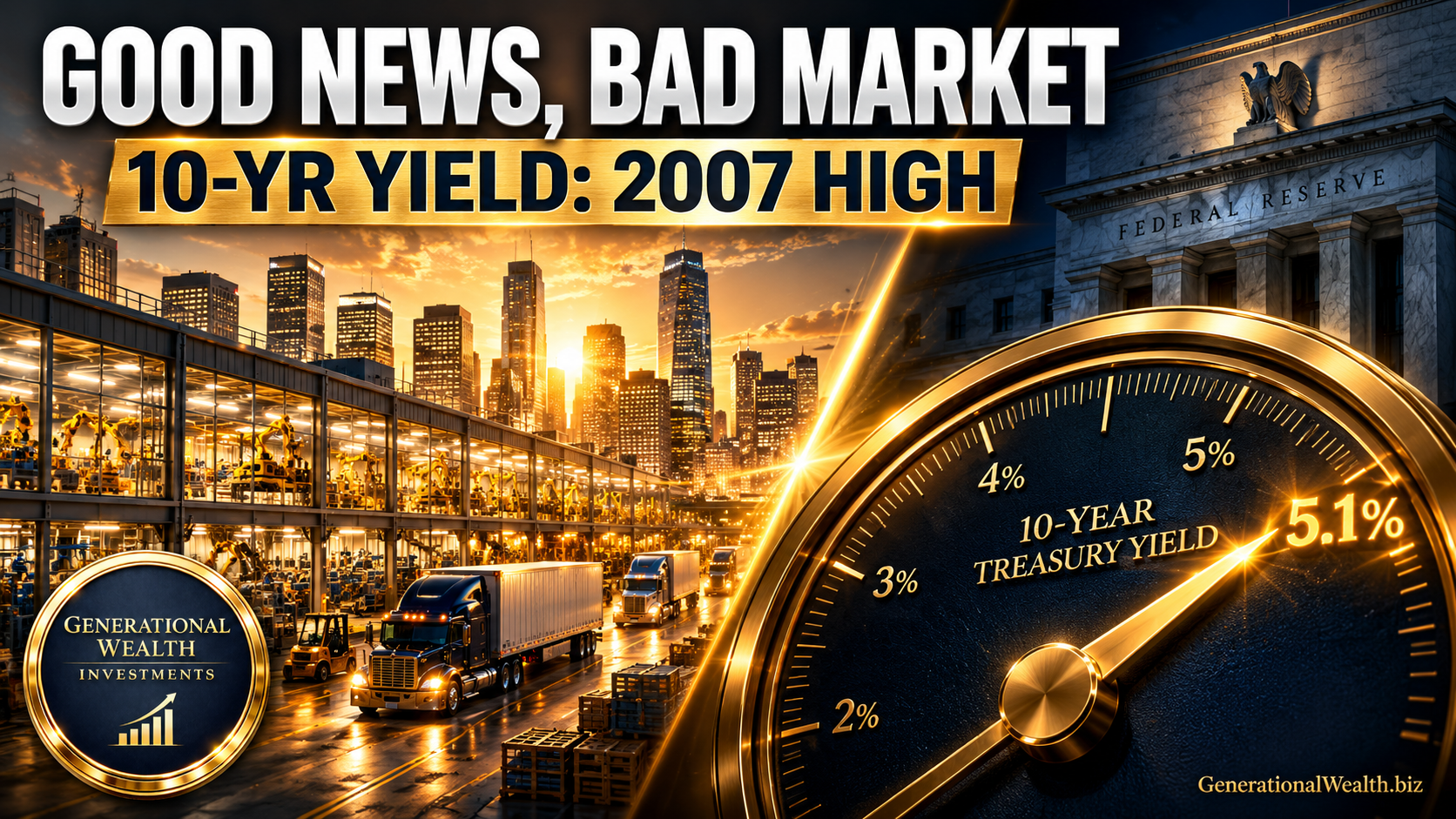
Good News, Bad Market: Why the Strongest Growth Signal in 5 Years Sent Stocks Lower
The U.S. economy just posted its strongest growth signal in 5 years, and stocks fell anyway. Rising business costs sent the 10-year Treasury yield to its highest level since 2007 and pushed October Fed hike odds to about 70%. Here's why good news became bad news, and why next week's inflation report could decide what happens next.
AMD Hits $1 Trillion: Why the Chip Rally Behind the Milestone Matters More Than the Number
AMD just crossed $1 trillion for the first time, but it didn't rally alone. Chip stocks surged, the Nasdaq set a record, and the AI trade may finally be broadening beyond Nvidia. Here's what's driving the move, and the test AMD faces next as it tries to hold the trillion-dollar line.
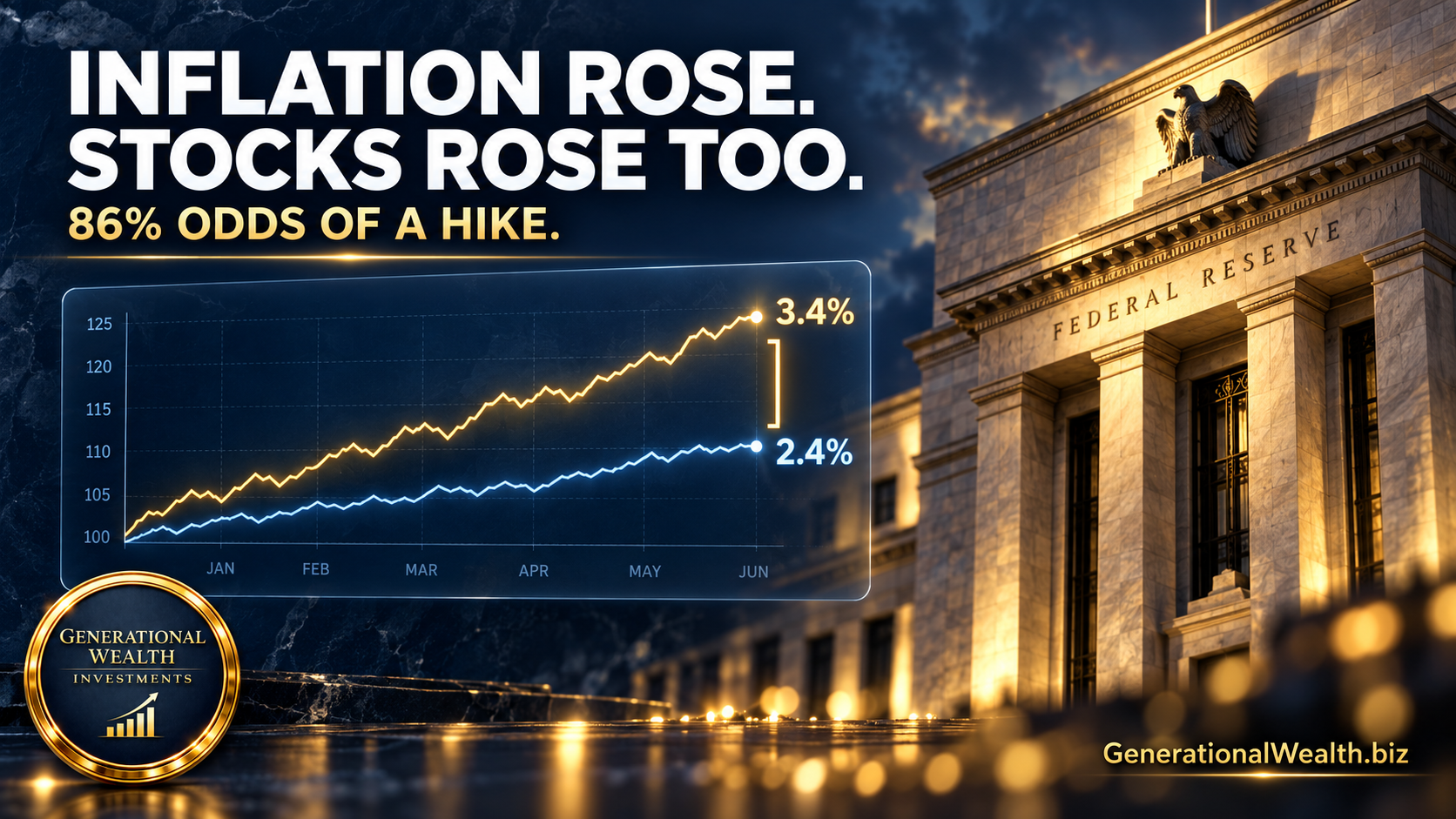
Inflation Accelerated, Rate-Hike Odds Hit 86%, and Stocks Rallied Anyway — Here's What Friday Actually Told Us
Consumer prices accelerated in August. Gasoline jumped 3.9%. Odds of a Federal Reserve rate hike surged toward 90%. And the S&P 500 closed up 0.9% anyway. That looks like a contradiction until you look at the 1-point gap between headline and core inflation — a gap that explains why markets treated this print as a supply shock rather than a demand problem. Here's the full mechanism, the three ways Wednesday's Fed decision can break, and the specific signals that would prove this read wrong.
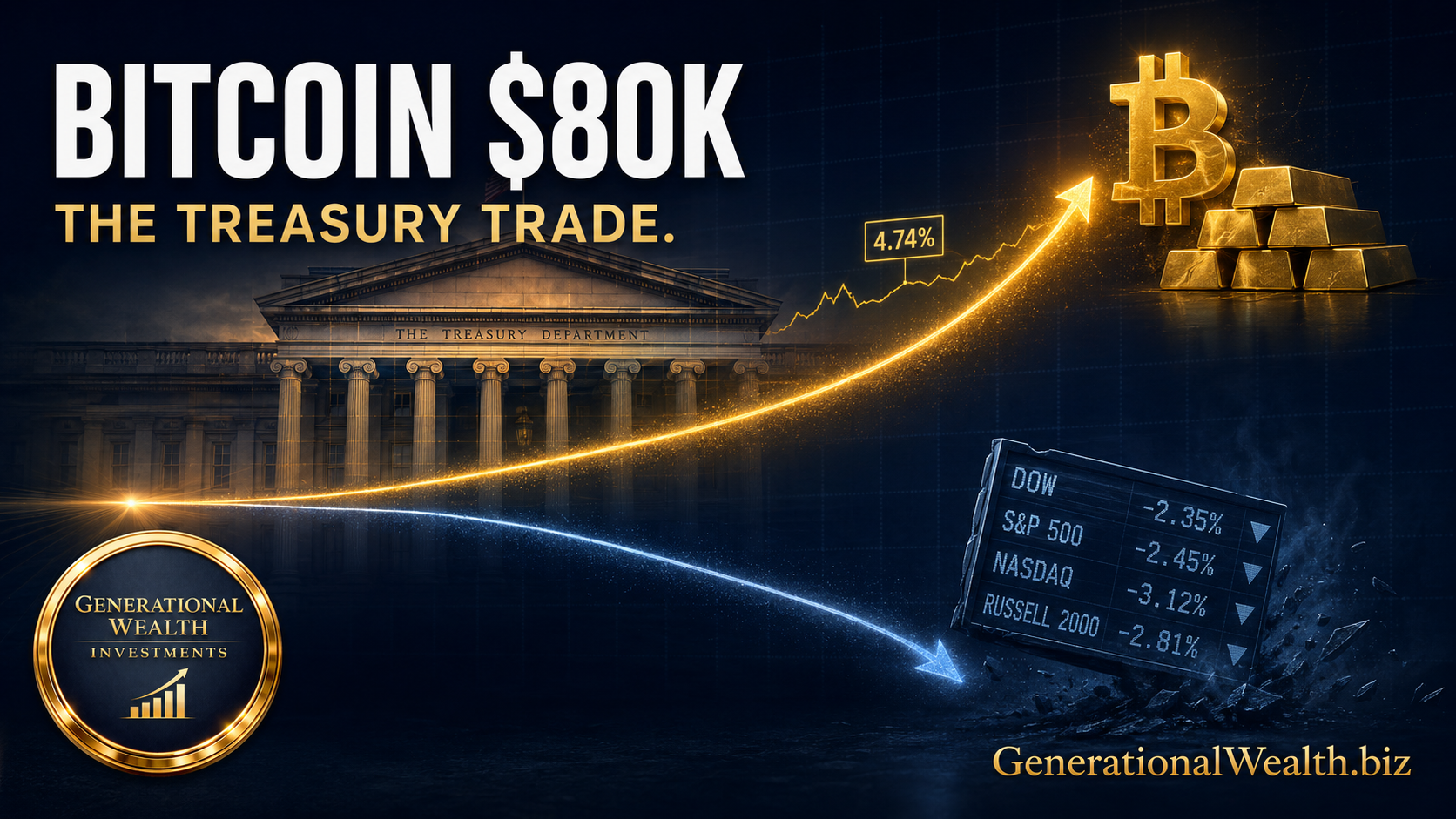
Bitcoin Hits $80,000 on a Treasury Decision — And the Bond Market Is Already Disagreeing
Bitcoin posted its biggest weekly gain in over 2 years, closing near $77,000 after touching almost $80,000. Gold settled above $4,600 an ounce. And the S&P 500 finished the week down 1.5%. The catalyst wasn't crypto news — it was a U.S. Treasury buyback announcement, and the way different assets read it reveals what investors actually believe about fiscal credibility. Here's the mechanism underneath the move, and the one data point that says the whole trade may be built on a premise the bond market has already rejected.